

Part 1 – Introduction: The Modern Shift Toward Sustainable Living

Every home tells a story of its own, and in 2025, these stories are changing. Long gone are the days of single-use convenience and endless packaging as people around the world look for ways to live smarter, cleaner, and lighter on the planet. What began as a small environmental movement has now become a defining lifestyle choice: the rise of the zero-waste home. Single-use is out in the trash, figuratively speaking, and zero-waste is in.
So what is zero-waste living? This type of living isn’t about perfection; it’s about intention. It’s about taking small, conscious steps that reduce the amount of waste we send to landfills and replace disposable habits with long-lasting, reusable alternatives. The philosophy is simple and one that anyone can live by — use what you have, reuse what you can, and choose products that leave no lasting footprint.
In the U.S., U.K., and Europe, this mindset has gone mainstream. From bustling city apartments to countryside cottages, households are investing in eco-friendly essentials that save both money and waste. Supermarkets now stock refill stations, and major brands are offering sustainable packaging — proof that what used to be a niche idea has become a cultural priority.
But while awareness is growing, one challenge remains: where do you start?
Most people want to reduce waste but feel overwhelmed by the options. Do you replace everything at once? What items make the biggest impact? Which eco products are genuinely effective and which are just greenwashing?
That’s where our guide comes in. So you can make the switch, simply and effectively, without worrying if it is green enough.
Don’t worry, this isn’t like those lists of pretty bamboo swaps or Instagram-worthy jars — it’s a practical roadmap for anyone who wants to transition to a zero-waste lifestyle without confusion or compromise. We’ll look at the 10 essential products that form the foundation of every eco-conscious household: simple, durable items that make waste reduction effortless.
Each of these products has been tested by thousands of eco-conscious users and chosen because they offer real-world usability, longevity, and value. From reusable grocery bags that replace hundreds of plastic ones, to compost bins that turn food scraps into garden gold — these are the tools that make sustainable living not just possible, but livable.
Why Start Now?
The timing couldn’t be better. Global awareness about waste is higher than ever, but so are environmental costs. According to the European Environment Agency, the average household generates over 500 kilograms of waste per year, and only a fraction of that is properly recycled. Meanwhile, rising energy costs and product shortages are pushing consumers to rethink disposable living.
Starting small makes the biggest difference. By introducing just a few reusable essentials into your home, you can reduce your waste output by up to 40% within months while saving money on everyday consumables.
Don’t think of it as a sacrifice; it’s about your freedom from clutter, excess spending, and unnecessary waste. So whether you’re just beginning your zero-waste journey or looking to deepen your sustainable habits, this guide will show you where to begin with 10 must-have products that help you live cleaner, save smarter, and tread a little lighter on the planet.
Part 2 — The Zero-Waste Mindset: How Small Daily Changes Make a Big Impact
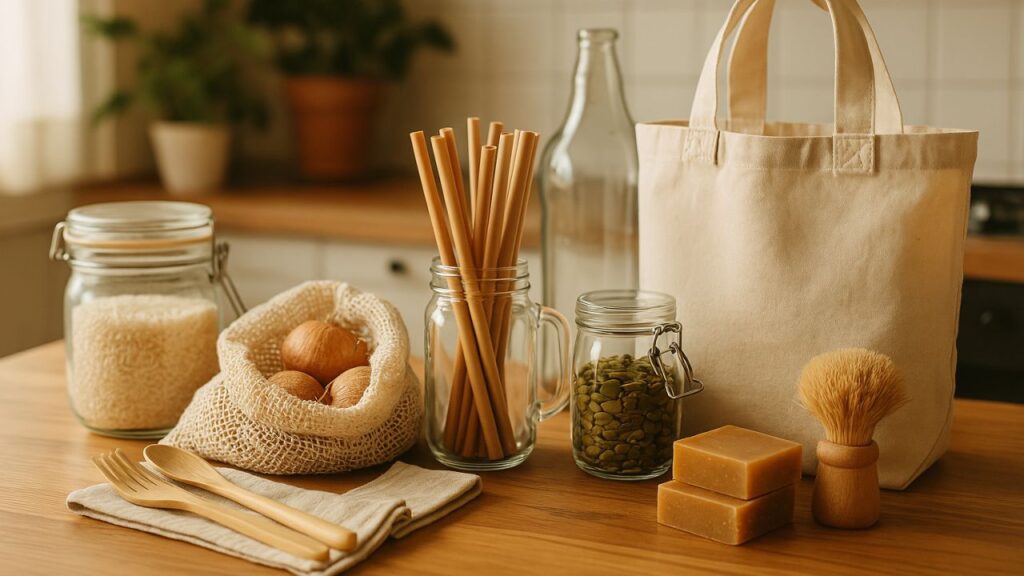
Every sustainable home begins not with a product, but with a mindset. The zero-waste lifestyle isn’t about perfection or deprivation — it’s about progress and intention. It’s the daily decision to waste a little less, reuse a little more, and think twice before buying something that won’t last.
We know the idea sounds daunting at first, but in reality, it’s built on a simple truth: small habits, multiplied by millions of people, make an enormous change.
1. The Myth of “All or Nothing” Sustainability
Many people assume living zero-waste means giving up modern comforts — no plastic, no packaging, no fun. But that’s far from reality. True sustainability is about balance, not extremes. It’s about finding swaps that work with your lifestyle, not against it.
You don’t need to throw away everything and start over. In fact, the most eco-friendly action you can take is to use what you already own. Replace items gradually, as they wear out, with long-lasting alternatives made from renewable or recyclable materials.
This approach not only saves waste but also prevents the impulse-buying cycle that often hides behind “eco-shopping.” The goal isn’t to consume differently, it’s to consume less. You can do it however you feel is right.
2. Mindful Consumption: Asking the Right Questions
Every time you shop, pause and ask three simple questions:
- Do I really need this?
- Is there a reusable or sustainable version available?
- How long will it last, and what happens when I’m done with it?
This small moment of reflection changes everything. Instead of impulse buying, you make conscious choices, and those choices add up.
For example, a reusable coffee cup might seem trivial and could make you wonder: How is this going to help the planet? But over a year, it replaces roughly 300 disposable cups. A stainless steel water bottle keeps 1,400 plastic bottles out of landfills during its lifespan. Multiply those by millions of households, and the impact becomes staggering.
3. The Ripple Effect in Everyday Living
Zero-waste living isn’t about living perfectly; it’s about living intentionally. When you make eco-friendly choices, the people around you notice — family, friends, coworkers. They start asking questions, trying swaps of their own, and before long, your personal change creates a ripple effect that influences your entire community.
Even small changes, like switching to bamboo toothbrushes or composting kitchen scraps, can spark conversations and inspire others to follow. Social proof is powerful, and sustainability spreads fastest through shared action, not guilt.
4. Saving Money and Reducing Clutter
A lesser-known truth about zero-waste living is that it’s often cheaper and simpler in the long run. Reusable products may cost more upfront, but they pay for themselves over time. A set of beeswax wraps lasts for a year or more, replacing dozens of rolls of plastic wrap. Refillable cleaning sprays eliminate the need for bulky bottles under your sink.
And as you declutter packaging, disposables, and duplicates, you’ll find that your home feels calmer and more organized. Less waste also means less chaos. We all need order in life, don’t we?
5. Redefining Convenience
In the past, convenience meant “use once and toss.” Today, convenience means ease without waste — systems that work with your lifestyle, not at the planet’s expense. Refillable delivery programs, compostable packaging, and multi-use products are making it easier than ever to live sustainably without sacrificing time or comfort.
Part 3 — 10 Must-Have Zero-Waste Starter Products for Every Eco-Conscious Home
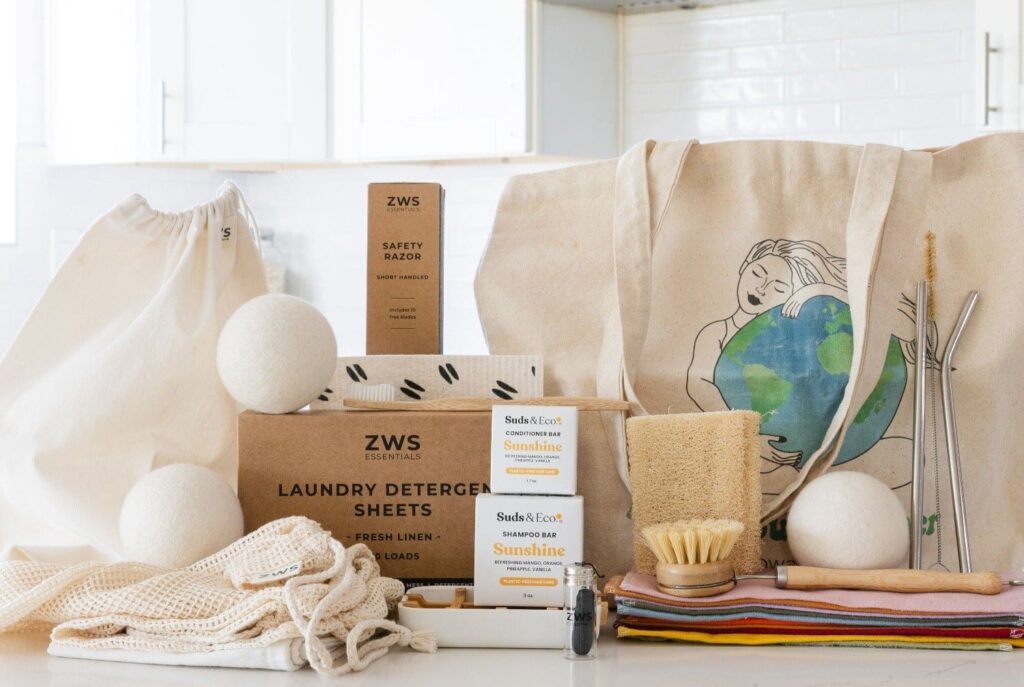
Starting your zero-waste journey doesn’t mean replacing everything overnight. It means investing in smart, durable essentials that reduce waste every single day — without making life harder. Below are 10 tried-and-tested products that form the foundation of an eco-conscious home.
Each item has been chosen for its real-world effectiveness, affordability, and long-term impact. True sustainability isn’t just about saving the planet; it’s about saving your time and money, too.
1. Reusable Grocery & Produce Bags
Plastic shopping bags might be convenient, but they’re among the world’s top five pollutants. Switching to reusable cotton or mesh produce bags instantly eliminates hundreds of single-use plastics per year.
Look for organic cotton or recycled polyester bags with drawstring closures. They’re lightweight, washable, and perfect for produce, bulk goods, and even storage at home.
Bonus tip: Keep a few in your car or backpack so you never forget them on grocery runs.
2. Stainless Steel or Glass Water Bottles
It may not seem like it, but a reusable water bottle is the cornerstone of sustainable living. It cuts down on plastic waste and keeps your drinks fresh and toxin-free.
Brands like Hydro Flask, S’well, or Chilly’s offer insulated bottles that maintain temperature for 24 hours. For home use, glass bottles with bamboo lids add a minimalist touch to your kitchen while avoiding microplastics.
Impact: One stainless bottle replaces roughly 1,400 single-use bottles over its lifespan.
3. Home Compost Bin
Roughly 30% of household waste is organic material that could be composted instead of sent to a landfill. A compact compost bin — whether countertop or outdoor — turns food scraps into nutrient-rich soil.
Modern models like Bokashi bins or electric composters (such as Lomi) make the process odor-free and beginner-friendly. If you live in an apartment, opt for a sealed system that fits under your sink.
Result: Less waste, less methane, and healthier plants.
4. Refillable Cleaning Products
Traditional cleaning sprays and detergents are plastic-heavy and chemical-laden. Refillable systems such as Smol, Blueland, or Ocean Saver replace bulky bottles with dissolvable eco-pods or concentrated refills.
They’re safe for your family, smell great, and eliminate the need for single-use plastics in your cleaning routine.
Eco insight: Switching just three cleaning products to refillables saves up to 30 plastic bottles per year.
5. Reusable Food Wraps (Beeswax or Silicone)
Saying goodbye to cling film is hard, we know, but beeswax wraps mold easily around food, bowls, and containers, keeping items fresh naturally. For a vegan option, silicone stretch lids work just as well.
They’re washable, breathable, and reusable for months, dramatically cutting plastic waste from your kitchen.
6. Bamboo Toothbrushes
Over one billion plastic toothbrushes end up in landfills annually. Bamboo alternatives decompose naturally and feel just as comfortable.
Choose brushes with plant-based bristles for full biodegradability and compost them when finished. Many brands, such as Truthbrush or Georganics, also offer refillable heads to extend lifespan.
7. Reusable Coffee Cups
Takeaway coffee cups are lined with plastic and often unrecyclable. A stainless steel or bamboo travel mug makes eco-living effortless, and most cafés now offer discounts for bringing your own.
Popular options like KeepCup, rCUP, and Frank Green combine insulation, leak-proof lids, and sleek designs perfect for work or travel.
Savings: Two coffees a day using your own cup can prevent over 600 disposable cups annually.
8. Safety Razor
Ditch disposable razors and embrace the timeless stainless steel safety razor. One handle lasts a lifetime; you only replace the blades.
It’s cost-effective, zero-waste, and provides a closer shave without irritation. Brands like Merkur or Leaf Shave have gained cult followings among both men and women.
9. Cloth Towels & Reusable Paper Alternatives
Instead of endless rolls of paper towels, use washable cloths or bamboo kitchen towels. They’re absorbent, hygienic, and save both trees and money.
A single roll of bamboo cloth towels can replace up to 60 paper rolls, lasting over six months with regular washing.
10. Smart Waste Sorter or Recycling Station
Even the most eco-conscious homes produce some waste, but managing it properly makes a huge difference. A smart recycling station or color-coded bin system helps separate compost, recyclables, and residuals efficiently.
Some new models even include digital tracking or app reminders to improve household recycling habits.
Tip: Teach kids to use labeled bins early — sustainability starts with routine, not rules.
Part 4 — How to Build Your Own Zero-Waste Routine
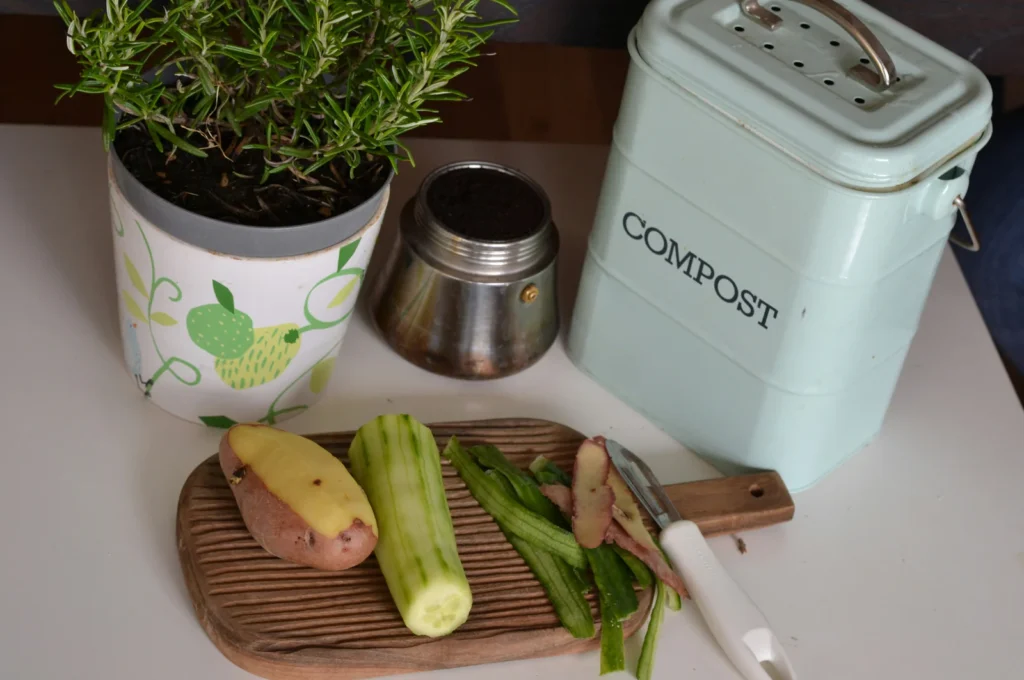
Okay, so you’ve got your zero-waste tools — now it’s time to make them work for you. Transitioning to a sustainable home isn’t about achieving perfection overnight. It’s about creating habits that stick, adapting gradually, and discovering how reusables can simplify your life rather than complicate it.
A truly sustainable lifestyle works quietly in the background — saving you money, cutting clutter, and reducing waste without you even noticing. Here’s how to make that happen.
1. Start Small and Stay Consistent
The best way to build a zero-waste routine is to start where you are. Pick one area — kitchen, bathroom, or shopping — and focus there for a month. For instance, begin with reusable bags and bottles, then move on to cleaning and food storage once those feel natural.
By introducing just one new habit at a time, you avoid burnout and ensure every change becomes second nature. Before long, you’ll find that sustainability has woven itself effortlessly into your routine.
Remember: The goal isn’t zero waste overnight — it’s less waste every week.
2. Organize Your Home for Simplicity
One reason waste builds up is that single-use items are easier to reach. Flip the setup: make your eco-options the default.
- Keep reusable grocery bags by the door or in your car.
- Store cloth towels where paper ones used to be.
- Place compost bins and recycling stations within arm’s reach of your kitchen counter.
- Keep your refill cleaning pods right next to the sink.
A well-organized home makes sustainable choices automatic — no extra effort needed.
3. Refill, Repair, Reuse
The three Rs aren’t just catchy — they’re the foundation of zero waste. Instead of replacing, refill whenever possible: from dish soap to shampoo, many brands now offer refillery options both in-store and online.
When something breaks, look for repair tutorials before throwing it away. Many eco products are intentionally designed to be fixable — safety razors can be reassembled, and stainless-steel bottles often have replacement lids.
Quick tip: Create a small “repair drawer” with glue, tools, and spare parts — it’ll save countless items from the bin.
4. Plan Ahead When You Shop
Most wasteful purchases happen when we’re unprepared. Keep a mental (or written) list of items you use regularly and buy in bulk when possible to minimize packaging. Carry your reusable coffee cup, bottle, and a small tote wherever you go — it’s amazing how many disposables you’ll avoid just by being ready.
Eco-living is a lot like budgeting: when you plan ahead, you save both money and waste.
5. Build Community Around Your Habits
Sustainability thrives in community. Join local zero-waste Facebook groups, neighborhood swaps, or refill cooperatives. These spaces make it easier to share resources, learn new hacks, and stay motivated.
Many towns now have “refill shops” where you can bring containers to stock up on cleaning supplies, grains, or even pet food. Making it social helps sustainability feel less like a solo effort and more like a shared adventure.
6. Track Your Progress
You don’t need an app — a simple notebook or checklist works. Note how many disposable items you’ve replaced or how often you refill something instead of rebuying it. Seeing tangible progress builds motivation and keeps you consistent.
If you love data, apps like JouleBug or My Footprint can track your savings in CO₂ and landfill impact.
7. Reward Yourself
Zero-waste living isn’t about causing guilt — it’s about having joy. Celebrate milestones: your first month without disposable coffee cups, your first full compost bin, or your first refill station visit.
Buy yourself a long-lasting treat like a handmade ceramic mug or an indoor plant — you know, something that adds warmth to your eco-home and reminds you why it’s worth it.
Key Takeaway
Sustainability sticks when it feels easy, natural, and personal. By organizing your space, planning ahead, and rewarding small wins, your zero-waste lifestyle will soon feel less like a mission and more like second nature.
Part 5 — Cost vs Long-Term Value: Why Zero-Waste Living Saves Money Over Time
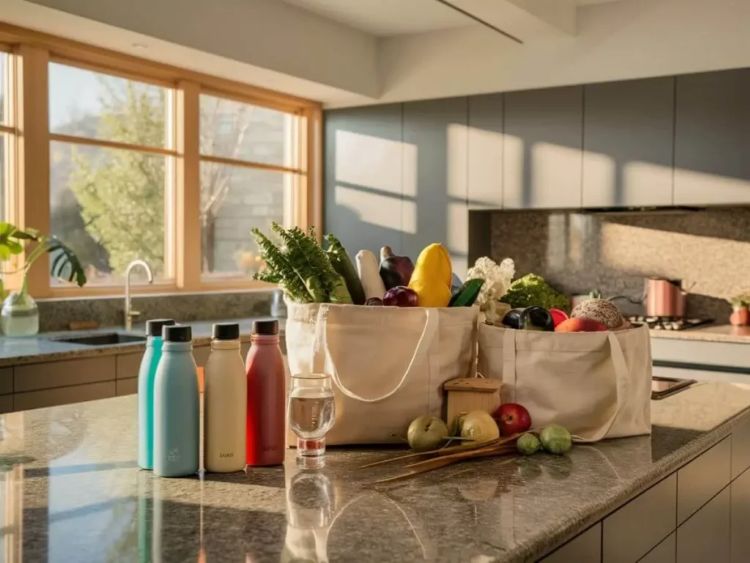
One of the biggest myths about zero-waste living is that it’s expensive. You’ve probably seen sleek bamboo kits or minimalist jars and thought, “That looks nice, but can I afford it?” The truth is, sustainability isn’t about spending more; it’s about spending smarter.
When you view your home as an ecosystem — one where every item serves a lasting purpose — you realize that most disposable products are hidden money drains. Zero-waste swaps, on the other hand, pay you back in savings, convenience, and peace of mind.
Let’s break down how this works in real life.
1. Reusables Replace Endless Rebuys
Every time you switch from disposable to durable, you create a small but powerful economic ripple.
- A stainless steel bottle replaces hundreds of single-use plastic bottles, saving £200–£300 a year for regular bottled-water drinkers.
- Beeswax wraps or silicone lids replace cling film and foil — saving another £30–£40 annually.
- Reusable coffee cups not only avoid waste but earn loyalty discounts (up to 25p per drink in the U.K. and $0.10–$0.25 in the U.S.).
These numbers may seem small individually, but across a household, they add up quickly. Over five years, an average eco-conscious home can save over £1,000 / $1,200 simply by avoiding repeat purchases.
2. Long-Lasting Materials Outperform Cheap Plastics
Durability is one of the most overlooked forms of sustainability. Low-cost plastic products often break or degrade within months, forcing you to repurchase them multiple times. In contrast, bamboo, glass, and stainless steel are made to last for years — even decades — without losing performance.
For instance:
- A bamboo toothbrush handle lasts three times longer than its plastic equivalent.
- A metal safety razor costs more upfront but saves hundreds of pounds over a decade compared to disposable cartridges.
- Refillable cleaning sprays eliminate single-use bottles and concentrate costs.
So while the initial investment may be higher, the cost per use is dramatically lower. Over time, zero-waste living becomes a cycle of ownership instead of replacement.
3. Less Clutter = Less Spending
Waste often begins with overconsumption. Once you start minimizing packaging and rethinking purchases, you automatically buy fewer unnecessary items.
A 2025 European consumer study found that households practicing minimal or zero-waste lifestyles reduced impulse spending by 27% within six months. This happens naturally: as your kitchen shelves, bathroom drawers, and cleaning cupboards simplify, your urge to accumulate “extras” fades.
Zero-waste living subtly rewires your habits — replacing the thrill of buying with the satisfaction of maintaining what you already have.
4. Energy & Food Waste Savings
Zero-waste homes are usually more energy-efficient by design. Composting reduces methane-heavy garbage bags (which cost more to dispose of), and using airtight glass containers keeps food fresher longer, cutting grocery waste.
According to the U.N. Environment Programme, the average family throws away 20–30% of purchased food each year. Even cutting that in half through better storage saves £400–£500 annually.
Add in the reduced use of electricity and water from efficient cleaning products and compact composters, and your total savings start to resemble a small annual bonus.
5. Quality Over Quantity: The Emotional ROI
It’s not always about the greens. There’s a non-financial benefit that’s hard to quantify but easy to feel — peace of mind. A home filled with reusable, toxin-free materials feels calmer and more intentional. You’re no longer chasing cheap replacements or cluttered by packaging waste.
In a zero-waste home, every object earns its place, which means every pound or dollar spent carries meaning.
The mindset shift: You stop asking, “How cheap is it?” and start asking, “How long will it last?”
6. Long-Term Financial Sustainability
Zero-waste living aligns perfectly with long-term financial health. By reducing disposable spending, you gain predictable savings that can be redirected toward experiences, investments, or emergency funds. It’s a form of quiet financial resilience that grows year after year.
The bottom line? Sustainable living and financial sustainability are two sides of the same coin. The fewer short-lived items you buy, the more your wallet — and the planet — benefit.
Part 6 — Conclusion: Living with Purpose in a Waste-Free Future

Zero-waste living isn’t about buying perfect products or reaching a mythical not-really-achievable “zero.” It’s about living with awareness and purpose. It’s about recognizing that every small choice, from the coffee cup you reuse to the jar you refill, plays a quiet part in reshaping the world around you.
In a culture built on convenience, choosing sustainability is a quiet act of rebellion; one that says, I care enough to do things differently. And the beauty of it? You don’t have to change everything. You only have to start.
1. The Ripple Effect of Individual Action
We often underestimate the power of personal habits. It’s easy to think one person’s choices don’t matter, but that’s how every great movement begins. When one household switches from disposable to reusable, it prevents thousands of items from reaching landfills. When one community embraces refilling stations, entire supply chains shift.
The zero-waste movement thrives because it’s contagious. It’s not driven by guilt, but by example. When people see that sustainable living can be easy, stylish, and affordable, they follow. What begins as one person’s compost bin becomes a neighborhood composting trend; one bamboo toothbrush becomes a family standard.
Change, in its truest form, spreads quietly. It starts on the individual level and then communal.
2. A Home That Reflects What You Value
Living waste-free redefines the idea of “home.” It’s no longer just a space filled with stuff; it’s a place built with meaning. Every product you choose tells a story: of craftsmanship, durability, and care for the planet.
A kitchen with refillable cleaners, glass jars, and reusable wraps feels different — calmer, cleaner, more intentional.
A bathroom stocked with bamboo brushes and refillable soaps speaks to a life that values longevity over excess.
Zero-waste homes are not minimalist for aesthetic reasons; they’re minimalist because clarity feels good. When everything in your space serves a purpose, you begin to live with more gratitude and less distraction.
3. The Emotional Return of Conscious Living
It’s easy to frame sustainability as a duty — something we should do. But it’s also a source of deep satisfaction. Living more consciously reconnects us to the process of daily life. We notice where things come from, how they’re made, and what happens when we’re done with them.
There’s a quiet joy in emptying a compost bin into the garden, refilling a soap bottle instead of throwing it away, or choosing a product that lasts for years. Each action reinforces the idea that we have agency — that what we do matters, right here, right now.
Living sustainably isn’t about sacrifice. It’s about rediscovering the value of enough.
4. Looking Ahead: The Future of Zero Waste
In 2025 and beyond, zero-waste living is becoming less of a niche and more of a norm. Major cities are introducing community compost programs and refill markets. Brands are rethinking packaging and production. Even global retailers are experimenting with deposit-return systems and circular supply models.
The trend is clear: the future belongs to those who create less waste, not more. By embracing that mindset early, you’re not only doing right by the planet — you’re also future-proofing your lifestyle.
5. Your Personal Call to Action
You don’t need to be an environmental activist to make an impact. We’re all citizens of the Earth. You just need to start with a single reusable bottle, a compost bin, or a bamboo toothbrush. Let one swap lead to another until your home becomes a living expression of your values.
The most powerful thing about the zero-waste journey is that it never ends, and it never has to be perfect. Every refill, every reuse, every small act of care adds up. So begin today, don’t delay it till tomorrow. Not because you have to, but because it feels good to live in harmony with what sustains you.
Final Thought
A zero-waste home isn’t just about reducing garbage; it’s about building a better relationship with the world. When you choose products that last, habits that serve, and values that align, you create more than a cleaner planet — you create a calmer, more intentional life.