

There’s a reason most “bass headphones” disappoint serious listeners.
They don’t actually reproduce bass, they exaggerate it.
Walk into any electronics store and you’ll hear it immediately: boosted mid-bass around 80–120Hz. It sounds big for thirty seconds. It feels impressive. But give it an hour and everything starts to blur. Vocals drown. Kick drums smear into bass guitars. The low end becomes noise instead of impact.
That isn’t basshead performance.
That’s marketing.
Real bass – the kind that makes your jaw tense during a sub-drop, behaves differently.
It extends below 40Hz with control.
It maintains structure at high volume.
It hits physically without collapsing the mids.
It lets you hear texture inside the rumble.
In 2026, true basshead headphones still come from serious driver engineering, not vibration motors or artificial DSP tricks.
The category divides into two philosophies:
Dynamic driver slam – fast attack, punchy mid-bass impact, physical kick drum authority.
Planar magnetic depth – heavier low-frequency weight, dense sub-bass pressure, slower but more textured decay.
Both can be basshead. But they feel different.
Another truth most lists ignore:
Bass is not just about quantity, it’s about control under pressure. The moment you turn the volume up, weaker headphones lose discipline. Strong basshead designs stay composed. The difference is immediate.
This guide focuses strictly on over-ear headphones in 2026 that deliver:
Deep sub-bass extension
Physical mid-bass slam
Clarity that survives heavy low-end
Scalability with amplification
Real ownership longevity
No gimmicks.
No vibration motors.
No fake “club mode” marketing.
Whether you’re chasing chest-punch kick drums, cinematic sub-bass waves, or thick live-concert warmth, the models we’ll cover represent the serious end of bass performance this year.
Now we move into the first true benchmark of modern dynamic slam.
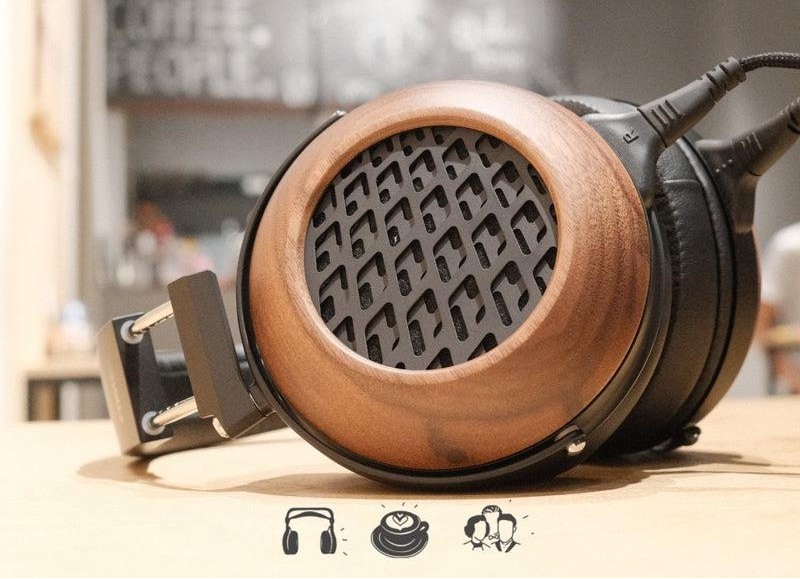
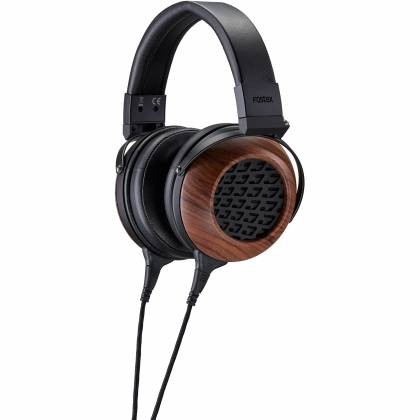
Fostex TH-808
The Dynamic Slam Benchmark of 2026
Why It Still Defines Bass Authority
The Fostex TH-808 exists in a different category from most bass-boosted headphones. It does not artificially inflate low frequencies. It produces them with mechanical control.
That distinction matters.
In 2026, many headphones rely heavily on DSP tuning to create the illusion of bass weight. The TH-808 relies on its bio-dynamic 50mm driver and carefully tuned wooden acoustic chambers. What you hear is driver behavior, not digital enhancement.
And when a driver moves air properly, you feel it.
Technical Core
50mm Bio-Dynamic Driver
Closed-back design
Premium wooden earcups
Low nominal impedance (but scales significantly with amplification)
Replaceable cables
The bio-dynamic diaphragm material is key. It balances stiffness and responsiveness, allowing rapid attack while maintaining low-frequency depth.
The wooden chambers are not aesthetic decoration, they influence internal resonance and decay characteristics, helping bass remain tight rather than echoing.
Bass Performance Breakdown
Sub-Bass (20–40Hz)
The TH-808 extends cleanly into true sub-bass territory. On well recorded electronic tracks, the low-end pressure feels physical rather than boomy.
There is no artificial mid-bass hump pretending to be depth. Instead, you get layered low-frequency information.
Sub-drops feel dense and controlled not loose.
Mid-Bass Slam (60–120Hz)
This is where the TH-808 earns its reputation.
Kick drums hit with speed. There is real attack. The impact is immediate, not rounded or bloated.
Importantly, mid-bass does not smear into vocals. That separation allows you to listen louder without fatigue.
Control at High Volume
Many bass headphones collapse when pushed.
The TH-808 does not.
As volume increases:
• Bass remains structured
• Vocals stay clear
• Treble does not distort
This composure is what separates a serious bass headphone from a boosted consumer model.
Texture & Detail
Bass lines are not just impact they are textured. You can hear the shape of notes.
This becomes especially noticeable in complex hip-hop production or cinematic soundtracks where layered low-end elements overlap.
It hits hard but you can still analyze it.
Amplification Reality (Critical)
Although its impedance rating suggests it’s easy to drive, it scales dramatically with proper amplification.
Entry-level DAC/amps will power it.
High-current amplifiers unlock its authority.
Without sufficient power:
• Slam feels reduced
• Depth feels lighter
• Dynamics compress earlier
If you invest in this headphone, pairing matters.
Comfort & Build
- Moderate weight
- Secure clamp
- Premium craftsmanship
This is a sit-down headphone. Not portable. Not travel-focused. It is built for immersive listening sessions.
Who Should Buy the TH-808
Buy it if:
You want fast, clean dynamic slam
You listen to EDM, trap, hip-hop, cinematic scores
You value bass texture and control
You plan to use proper amplification
Avoid it if:
You want wireless convenience
You prefer thick, warm bass over fast punch
You need ultra-light comfort
Final Basshead Verdict
The Fostex TH-808 is one of the most disciplined basshead headphones in 2026.
It does not rely on exaggeration.
It relies on control.
If your definition of bass is:
“Hard. Deep. Clean. Structured.”
This remains a benchmark.
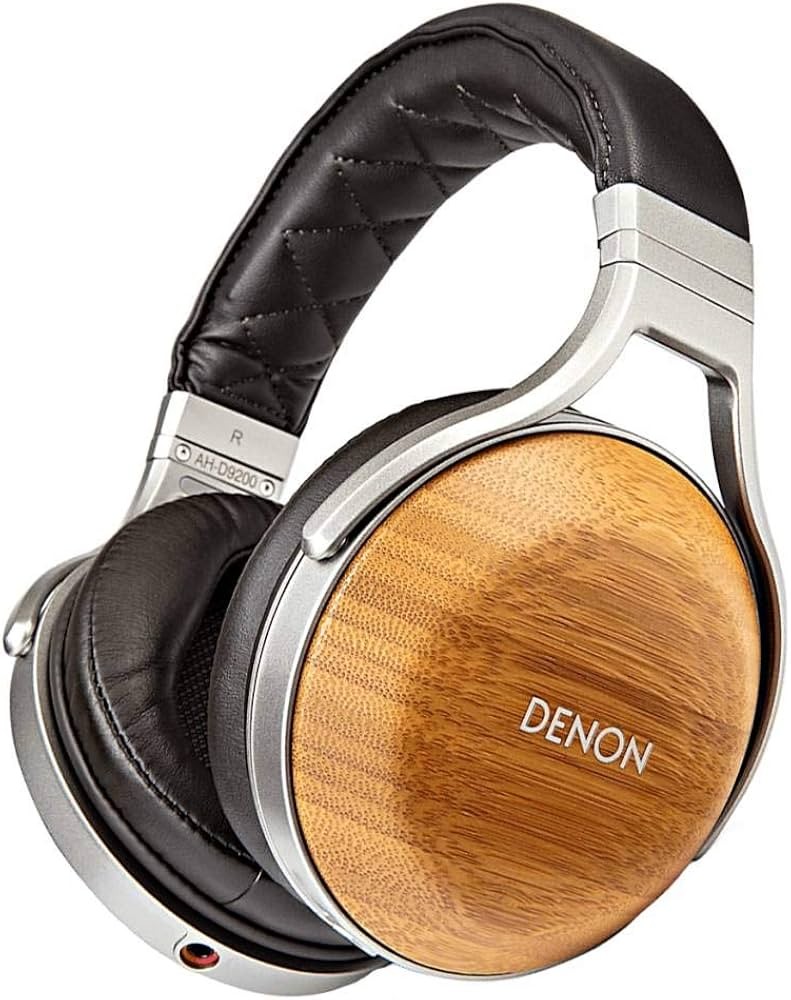
Denon AH-D9200
The Refined Basshead – Slam with Discipline
Why the D9200 Is Different
Where the Fostex TH-808 is about speed and raw punch, the Denon AH-D9200 is about control under authority.
This is what many experienced bassheads graduate to.
It doesn’t scream for attention. It doesn’t exaggerate. Instead, it delivers bass that feels expensive – tight, layered, mature.
In 2026, very few dynamic headphones combine slam and clarity this well.
Technical Core
50mm FreeEdge dynamic driver
Closed-back design
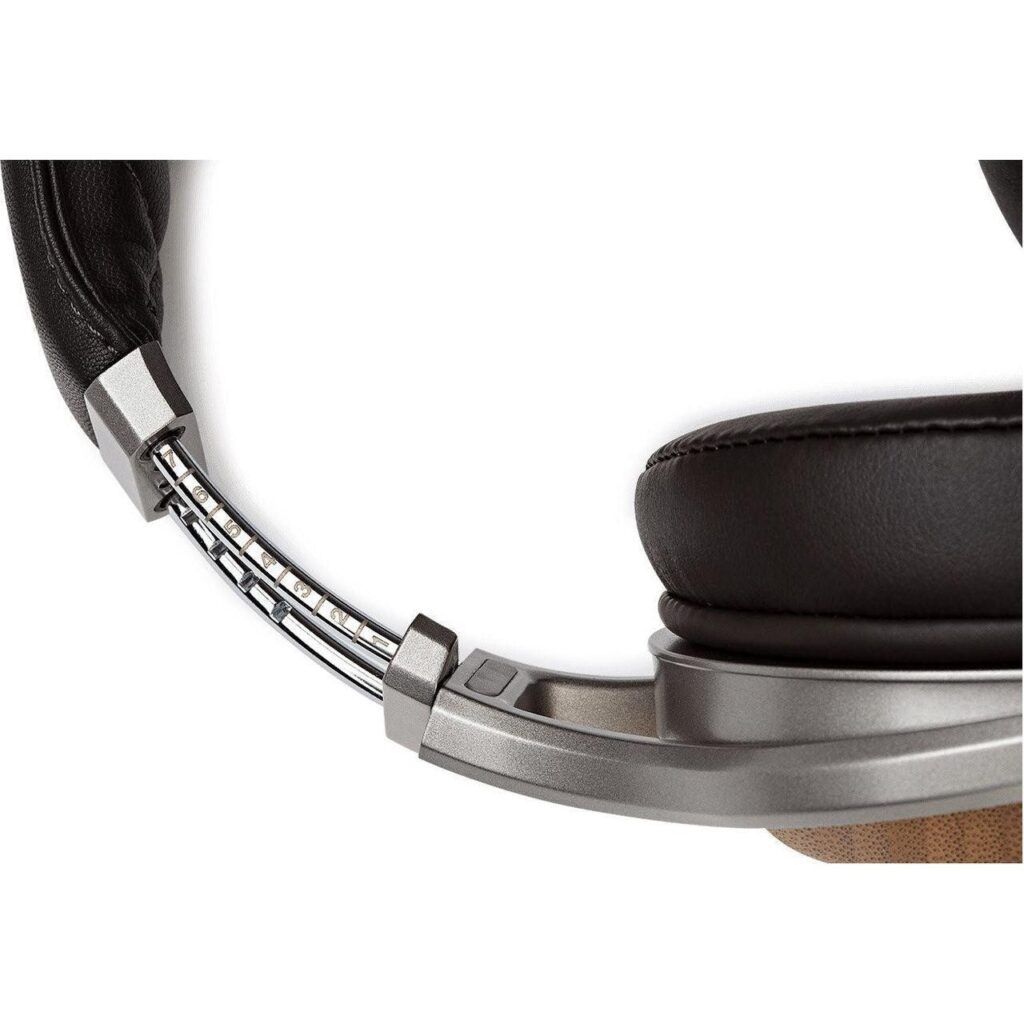
Bamboo ear cups (acoustic tuning role)
High-resolution tuning
High sensitivity – easy to drive but scales with better gear
The FreeEdge driver is engineered to minimize diaphragm breakup. That translates into cleaner bass decay and better separation at higher volumes.
The bamboo cups are not cosmetic, they influence internal resonance and contribute to the headphone’s clean low-end behavior.
Bass Performance Breakdown
Sub-Bass (20–40Hz)
The D9200 reaches deep. Not artificially deep – naturally extended.
It doesn’t overemphasize sub-bass, but when the recording demands it, the depth is present and controlled.
There is weight without boom.
Mid-Bass Slam (60–120Hz)
This is where the Denon feels refined.
Kick drums have impact – but the impact is disciplined.
Instead of an aggressive “thud,” you get a defined punch with clear edges.
The difference may sound subtle in description, but in listening it is obvious:
Bass hits – and then stops cleanly.
Control at High Volume
This is the D9200’s strongest quality.
As you increase volume:
Bass remains tight
Mids stay clean
Treble retains sparkle
There is no midrange masking, even in bass heavy tracks.
You can listen loudly for extended sessions without feeling fatigue from bloom or distortion.
Texture & Separation
This is where it surpasses many basshead designs.
Bass layers remain distinct. You can hear sub-bass under kick drums. You can detect texture inside sustained low notes.
It is both impactful and analytical.
That combination is rare.
Amplification Reality
Unlike the ZMF or Audeze options we’ll cover later, the D9200 is relatively easy to drive.
However, higher quality amplification improves:
Soundstage depth
Low-end authority
Dynamic headroom
It does not demand extreme power, but it rewards clean current.
Comfort & Ownership
Lighter than many high-end wood headphones
Comfortable clamping force
Excellent build quality
This is a headphone you can wear for long sessions without discomfort.
Closed-back design also offers practical isolation for home use.
Who Should Buy the D9200
Buy it if:
You want bass impact with high clarity
You value long listening sessions
You want a premium, refined sound
You dislike muddy warmth
Avoid it if:
You want exaggerated bass dominance
You prefer thick, warm coloration
You want planar-style sub-bass weight
Final Basshead Verdict
The Denon AH-D9200 is for listeners who want:
Power: without chaos.
Slam: without blur.
Depth: without fatigue.
It is one of the most controlled basshead headphones still relevant in 2026.
If the TH-808 is athletic slam, the D9200 is composed authority.
ZMF Atticus
The Warm Slam Monster – Thick, Physical, Emotional Bass
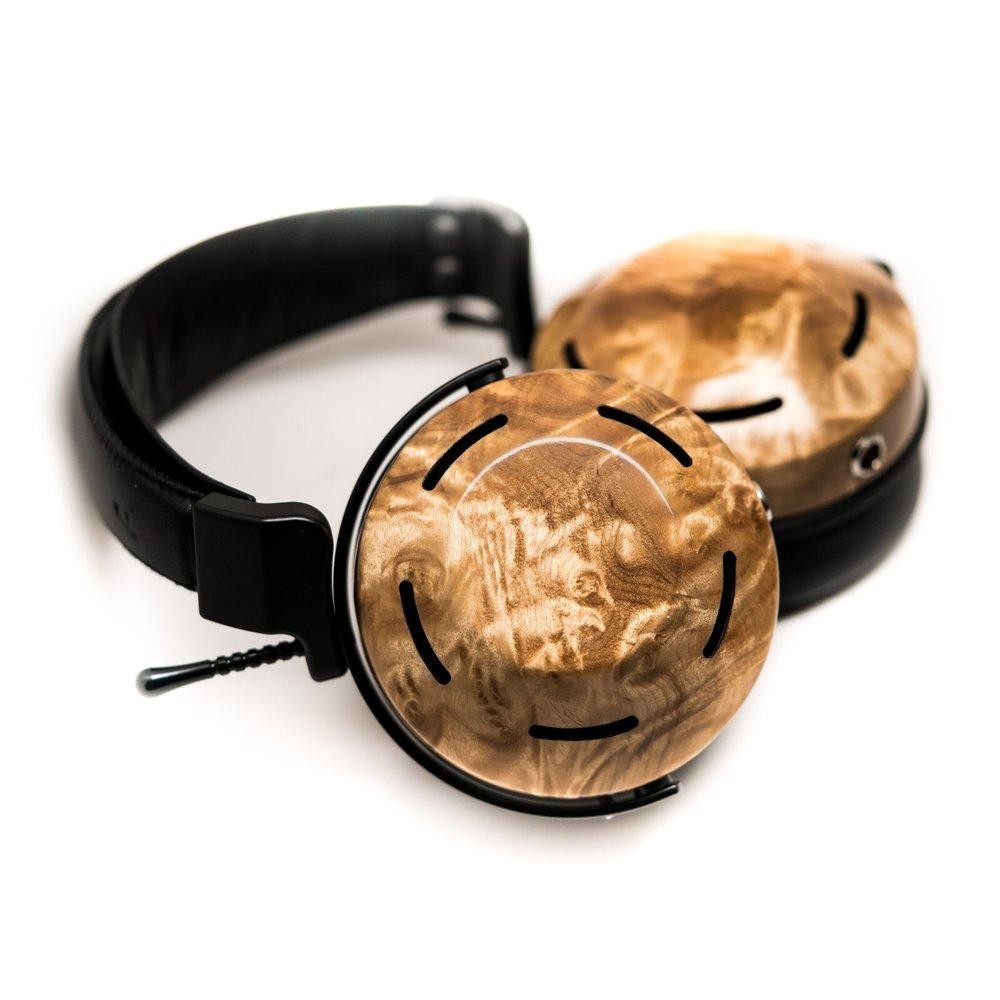
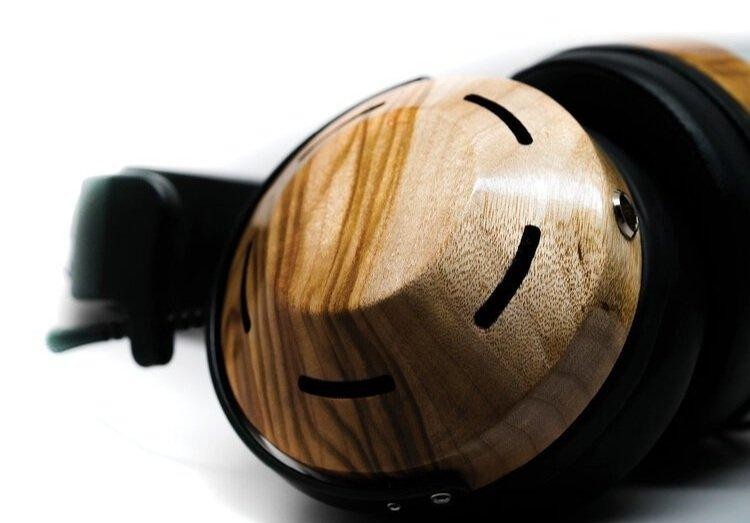
Why the Atticus Is Not About “Accuracy”
The ZMF Atticus does not chase neutrality.
It does not chase reference tuning.
It chases impact.
In 2026, while many brands refine bass for clarity and precision, ZMF continues to embrace something more emotional: thick, physical mid-bass slam.
This headphone feels like a live venue.
It feels like standing near stage monitors.
It prioritizes weight and body over speed.
That makes it extremely satisfying, but very specific.
Technical Foundation
- High-impedance dynamic driver
- Closed-back handcrafted wooden cups
- Thick acoustic damping
- Designed to scale heavily with tube and solid-state amplification
The Atticus is not efficient. It needs proper amplification to sound correct.
Underpowered setups make it sound slower and softer. With a capable amp, it transforms.
Bass Performance Breakdown
Mid-Bass Slam (Primary Strength)
This is the Atticus signature.
- Kick drums feel dense and heavy.
- There is thickness to the attack.
- The bass doesn’t just hit, it pushes.
This is not fast athletic slam like Fostex.
This is weighty, muscular slam.
Sub-Bass (20–40Hz)
Present, but not exaggerated.
The Atticus does not prioritize extreme sub-bass extension like planar designs. Instead, it focuses on fullness and warmth in the upper bass region.
Sub-bass is audible and satisfying, but secondary to mid bass body.
Decay & Warmth
Decay is slightly slower than the Denon or Fostex.
That slower decay contributes to its “concert hall” feel. Bass lingers just enough to feel enveloping.
For rock, live recordings, and heavier genres, this creates immersion.
Control at High Volume
When properly powered:
- Bass remains thick but controlled
- Mids stay rich and forward
- Treble remains smooth
It does not collapse, but it will always lean warm.
This is not a clinical headphone. It is unapologetically colored.
Amplification Reality (Very Important)
The Atticus requires strong amplification.
Tube amplifiers in particular pair beautifully, enhancing its warmth and slam.
Underpowered DAC/amps:
- Reduce bass authority
- Make it feel softer
- Limit dynamic punch
If you buy this, budget for amplification.
Comfort & Build
- Heavier than Denon
- Premium handcrafted wood
- Replaceable pads and cables
- Extremely durable construction
This is a long-term ownership headphone, built to last years.
Who Should Buy the Atticus
Buy it if:
- You want thick, heavy mid-bass slam
- You listen to rock, metal, live recordings
- You prefer warmth over neutrality
- You enjoy emotional, immersive sound
Avoid it if:
- You want tight, fast bass
- You prioritize analytical detail
- You dislike warmth
Final Basshead Verdict
The ZMF Atticus is not about clean discipline.
It is about physicality.
If the Denon is refined authority
and the Fostex is athletic slam
The Atticus is muscular weight.
For bassheads who want to feel the music not dissect it, this remains one of the most emotionally satisfying headphones in 2026.
Audeze LCD-2 Classic
The Planar Sub-Bass Authority – Weight Over Punch
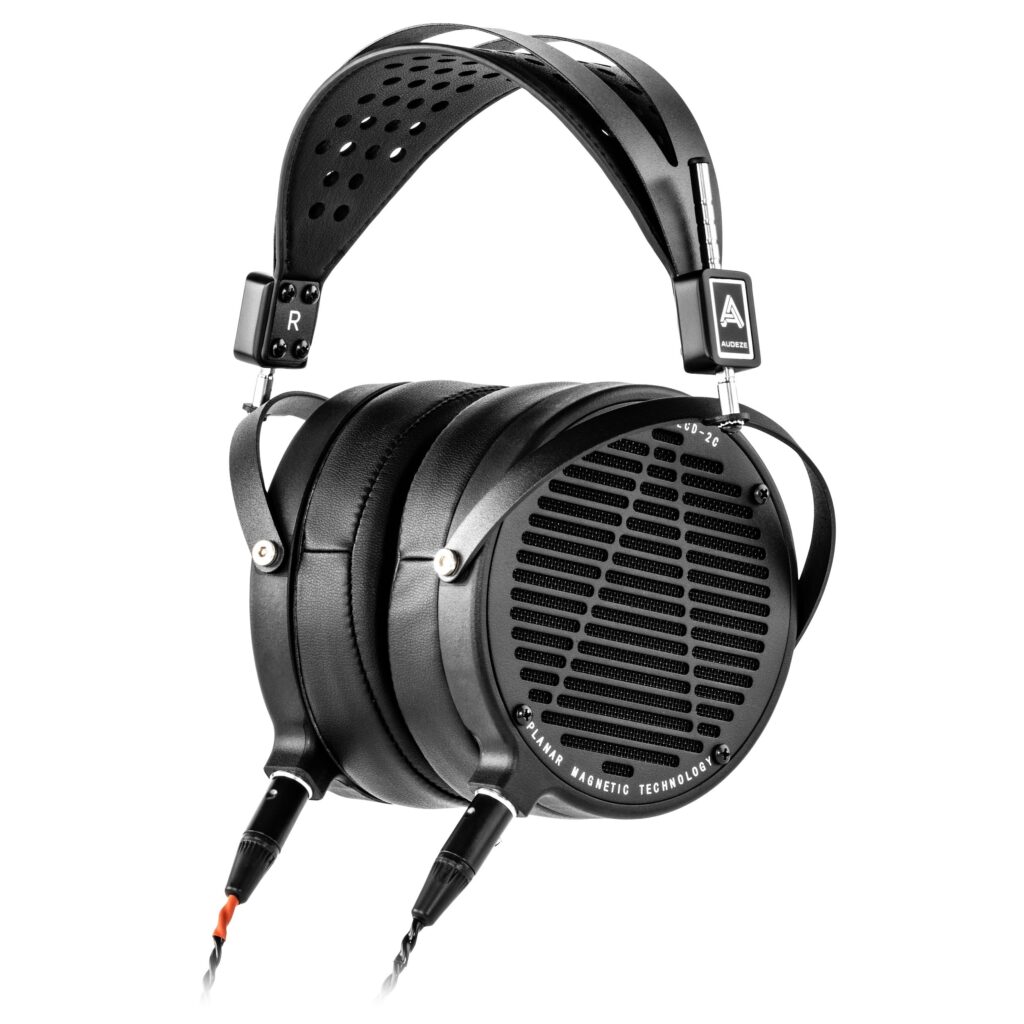
Why Planar Bass Feels Different
If dynamic headphones deliver slam like a punch, planar magnetic drivers deliver bass like pressure.
The Audeze LCD-2 Classic is not trying to be fast and sharp. It is trying to be dense and authoritative.
In 2026, despite many newer planar releases, the LCD-2 Classic still represents one of the most recognizable examples of planar low-frequency weight.
The difference is immediately noticeable.
Dynamic bass:
- Quick attack
- Strong mid-bass impact
- More “kick”
Planar bass:
- Larger surface area movement
- Deeper sub-bass pressure
- Thicker tonal body
- The LCD-2 Classic embodies the second philosophy.
Technical Foundation
- Large planar magnetic driver
- Open-back design
- Substantial metal + wood chassis
- Low sensitivity – requires real amplification
Unlike dynamic drivers that move a cone, planar drivers use a thin diaphragm suspended between magnets. The entire surface moves more uniformly.
This creates:
- Low distortion at deep frequencies
- Clean sub-bass extension
- Dense low-end texture
But it also demands power.
Bass Performance Breakdown
Sub-Bass (20–40Hz)
This is where the LCD-2 Classic excels.
Sub-bass feels physical and sustained. It doesn’t spike – it swells.
Electronic music, cinematic scores, and deep ambient tracks reveal a floor of pressure beneath the mix.
It is not exaggerated. It is grounded.
Mid-Bass
Less punchy than the Fostex or ZMF.
Instead of sharp impact, you get thickness and weight.
Kick drums feel heavier but slightly softer on attack compared to fast dynamic drivers.
Decay & Texture
Planar bass decays more gradually.
That slower decay gives the LCD-2 Classic its signature density.
Bass feels layered, almost tactile.
You don’t just hear it — you sense the mass behind it.
Control at High Volume
With proper amplification:
- Sub-bass remains clean
- No distortion at pressure levels
- Mids remain stable
Without proper amplification:
- Bass sounds flatter
- Dynamics shrink
- Authority disappears
This headphone must be paired properly.
Amplification Requirement (Critical)
The LCD-2 Classic is not optional-amp territory.
It requires:
- High current capability
- Clean power delivery
- Stable amplification
Underpowered sources will severely limit its performance.
If you invest here, plan for proper gear.
Comfort & Build Reality
- Heavy
- Wide headband
- Premium feel
- Best suited for seated listening
This is not a casual headphone.
It is built for focused sessions.
Who Should Buy the LCD-2 Classic
Buy it if:
- You prioritize deep sub-bass over punch
- You listen to cinematic, electronic, orchestral bass
- You have or plan proper amplification
- You enjoy dense, weighty presentation
Avoid it if:
- You want aggressive mid-bass slam
- You need lightweight comfort
- You want portable flexibility
Final Basshead Verdict
The LCD-2 Classic is not a slam monster.
It is a pressure monster.
If the Fostex is speed,
and the ZMF is muscle,
The Audeze is mass.
For listeners who want bass that feels like gravity rather than impact, it remains a serious contender in 2026.
Meze 109 Pro
The Refined Dynamic – Controlled Depth with Musical Authority
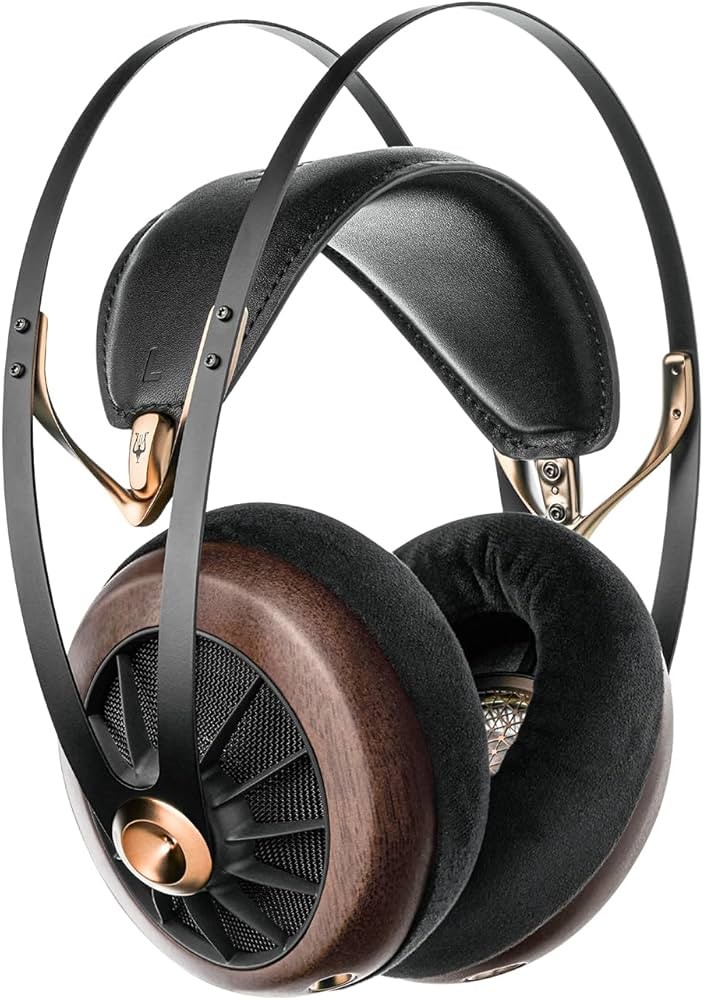
Where It Sits in the Basshead Spectrum
The Meze 109 Pro is not a traditional “slam-first” basshead headphone.
It doesn’t exaggerate.
It doesn’t thicken the low end unnaturally.
It doesn’t sacrifice clarity for impact.
Instead, it delivers something more refined:
Clean extension.
Natural punch.
Controlled musicality.
In 2026, it has become a favorite among listeners who want bass presence without losing openness and detail.
Technical Foundation
- 50mm dynamic driver (beryllium-coated polymer diaphragm)
- Open-back design
- Lightweight frame
- High sensitivity – easy to drive
The beryllium-coated diaphragm improves rigidity while keeping weight low. That combination supports faster transient response and cleaner bass decay.
Unlike heavy closed-back bass monsters, the 109 Pro remains airy and spacious.
Bass Performance Breakdown
Sub-Bass (20–40Hz)
The 109 Pro extends well for an open-back dynamic design.
It does not create exaggerated sub-bass pressure like planar models. Instead, it presents sub bass with clarity and balance.
Electronic music reveals low-end detail but not overwhelming rumble.
Mid-Bass (60–120Hz)
Punchy and articulate.
Kick drums feel controlled rather than heavy.
The attack is quick and clean, though less aggressive than the Fostex TH-808.
This is not chest-thumping bass. It is disciplined bass.
Control & Separation
The greatest strength of the 109 Pro is how it preserves clarity.
Even with bass-heavy tracks:
- Vocals remain open
- Instruments remain separated
- Treble retains sparkle
It avoids the warmth and bloom of the ZMF Atticus.
Bass Texture
Texture is clean and detailed.
Instead of thick weight, you hear shape and contour within the low end.
For listeners who want bass that integrates into the mix rather than dominates it, this is ideal.
Amplification Reality
One of the easiest headphones in this list to drive:
- Performs well even from modest DAC/amps
- Benefits from clean amplification
- Does not require high current power
This makes it practical compared to planar-heavy designs.
Comfort & Build
- Extremely comfortable
- Lightweight
- Self-adjusting headband
- Long-session friendly
This is one of the most wearable headphones in the bass-capable category.
Who Should Buy the Meze 109 Pro
Buy it if:
- You want balanced bass with clarity
- You dislike excessive warmth
- You value comfort for long sessions
- You want open-back spaciousness
Avoid it if:
- You want extreme slam
- You want thick, heavy bass
- You prioritize sub-bass pressure
Final Basshead Verdict
The Meze 109 Pro is not an extreme basshead headphone.
It is a controlled, musical bass performer.
If the Fostex is aggressive, the ZMF is warm, and the Audeze is dense.
The Meze 109 Pro is elegant, It delivers enough low-end authority to satisfy without overwhelming the rest of the spectrum.
HIFIMAN Arya Organic
The Expansive Planar – Deep Sub-Bass with Air & Scale
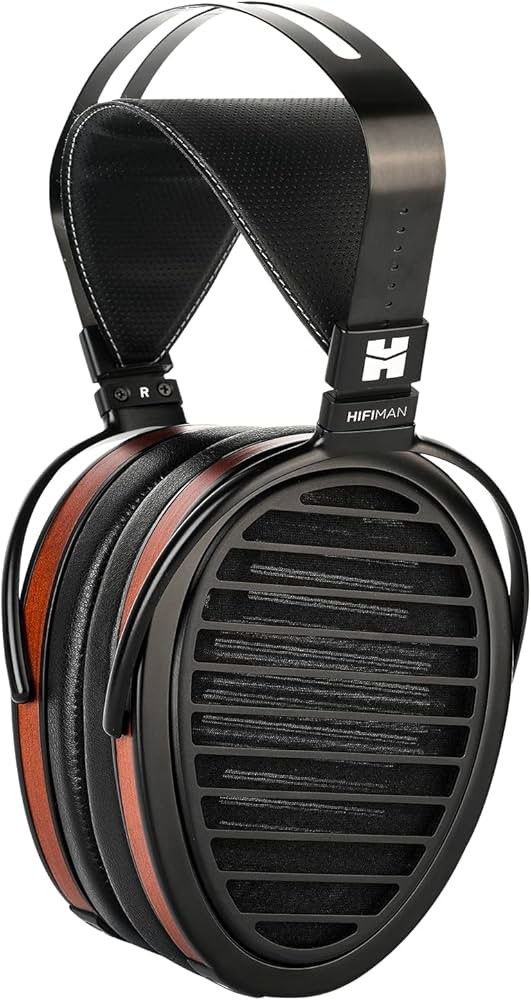
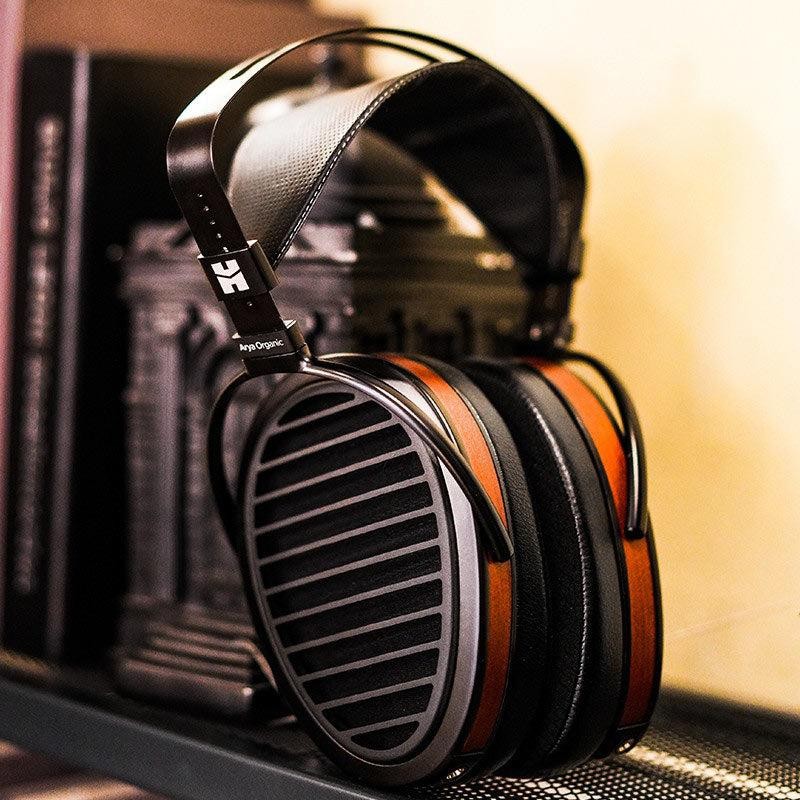
Where It Fits in the Basshead Hierarchy
The HIFIMAN Arya Organic is not about aggressive mid-bass punch.
It is about sub-bass extension inside a massive soundstage.
In 2026, the Organic revision refines earlier Arya tunings by adding warmth and low-end body while maintaining the expansive planar presentation the series is known for.
This is cinematic bass not club bass.
Technical Foundation
- Large planar magnetic driver
- Open-back design
- Nano-thickness diaphragm
- Asymmetrical magnetic array
- Moderate sensitivity (needs quality amplification)
The planar surface area is significantly larger than most dynamic drivers. That surface moves more uniformly, producing lower distortion in deep frequencies.
The “Organic” tuning slightly increases low-end warmth compared to earlier Arya versions.
Bass Performance Breakdown
Sub-Bass (20–40Hz)
This is the Arya Organic’s strength.
Sub-bass extends very cleanly and deeply. Instead of punch, you get atmospheric pressure.
Low electronic sweeps feel expansive not boxed in.
Because it’s open-back, the sub-bass feels airy rather than compressed.
Mid-Bass (60–120Hz)
There is punch, but it is not forward or aggressive. Compared to Fostex or ZMF, the Arya Organic feels lighter in impact.
However, the definition is excellent. You can clearly distinguish kick drum layers.
Texture & Layering
This headphone excels in layered bass.
You hear:
- Sub-bass foundation
- Mid-bass structure
- Spatial placement
The soundstage width allows bass elements to breathe.
For cinematic music, ambient, orchestral, and atmospheric EDM, this creates immersion.
Control at High Volume
With proper amplification:
- Sub-bass remains clean
- No distortion at deep frequencies
- Treble remains extended and airy
Without sufficient power:
- Bass loses authority
- Dynamics feel restrained
The Arya Organic scales strongly with clean amplification.
Amplification Reality
This is not plug-and-play portable territory.
While not as power hungry as some planars, it requires:
- Quality DAC
- Clean current delivery
- Stable amplification
Underpowered setups limit bass depth and staging.
Comfort & Build
- Lightweight for its size
- Large oval earcups
- Excellent long-session comfort
Despite its size, comfort is a major strength.
Who Should Buy the Arya Organic
Buy it if:
- You prioritize sub-bass extension over punch
- You love wide soundstage
- You listen to cinematic or atmospheric music
- You want planar refinement
Avoid it if:
- You want aggressive slam
- You prefer thick warmth
- You need isolation (open-back design leaks sound)
Final Basshead Verdict
The Arya Organic is not a slam monster.
It is a scale monster.
If the Audeze LCD-2 Classic delivers bass mass, the Arya Organic delivers bass space.
For listeners who want deep extension inside a massive stage, it remains one of the most immersive planar bass options in 2026.
Dan Clark Audio Aeon 2 Noire
The Closed Planar – Tight, Controlled, Disciplined Bass
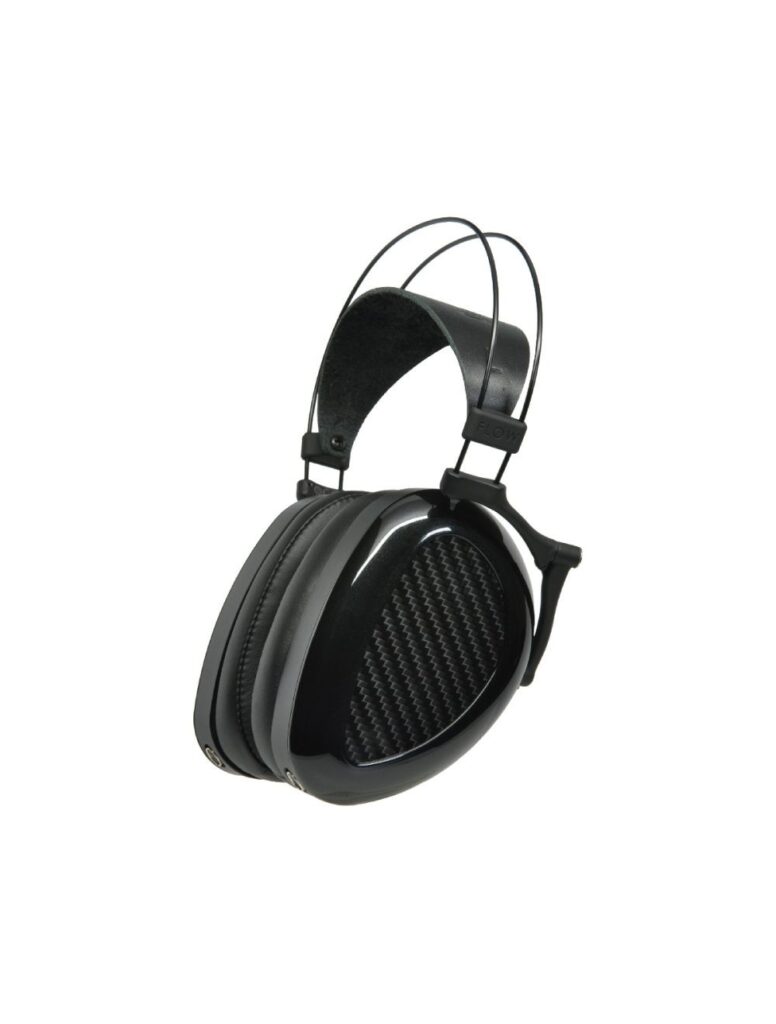
Where It Sits in the Basshead World
The Dan Clark Audio Aeon 2 Noire is not about exaggerated slam.
It is about control and precision inside a closed-back planar format.
In 2026, many bass-focused headphones choose warmth or aggression. The Aeon 2 Noire chooses restraint.
Technical Foundation
- Closed-back planar magnetic driver
- Compact folding chassis
- Moderate-to-low sensitivity (requires clean power)
- Tuned damping system
The planar diaphragm is extremely light and evenly driven. This results in low distortion and high control at deep frequencies.
Because it is closed-back, it maintains better isolation than open planar options like the Arya or LCD-2.
Bass Performance Breakdown
Sub-Bass (20–40Hz)
Very clean extension.
Sub-bass is present and accurate. It does not bloom or exaggerate.
Instead of physical slam, you get linear depth.
This makes electronic and modern production sound controlled rather than overwhelming.
Mid-Bass (60–120Hz)
Tight and fast.
The Aeon 2 Noire does not thicken mid-bass like the ZMF Atticus.
Kick drums feel defined, not heavy.
For some bassheads, this will feel less exciting. For others, it feels refined.
Texture & Detail
This is its strength.
Bass notes are clearly separated from mids.
You hear shape and timing.
Nothing bleeds.
It behaves more like a studio-oriented bass presentation than a club-oriented one.
Control at High Volume
With proper amplification:
- Bass remains tight
- No distortion
- Mids remain neutral
- Treble stays extended
Without proper power:
- Bass feels thinner
- Dynamics compress
- Energy reduces
The Noire requires quality amplification to feel alive.
Amplification Reality
This is not a casual headphone.
It requires:
- Clean current
- Stable amplifier
- Proper gain structure
It will not shine from basic portable sources.
Comfort & Practicality
- Very comfortable
- Lighter than many planars
- Foldable design
- Good isolation for a planar
This makes it more versatile than larger planar competitors.
Who Should Buy the Aeon 2 Noire
Buy it if:
- You want tight, controlled bass
- You value clarity and separation
- You need closed-back isolation
- You want planar behavior without massive size
Avoid it if:
- You want aggressive slam
- You prefer thick warmth
- You want exaggerated bass impact
Final Basshead Verdict
The Aeon 2 Noire is not explosive.
It is disciplined.
If the Fostex is athletic, the ZMF is muscular, the Audeze is heavy, the Arya is spacious. The Aeon 2 Noire is surgical.
For bassheads who want precision over power, it remains a strong closed planar option in 2026.
Sennheiser Momentum 4 Wireless
The Clean Wireless All-Rounder (Not a True Basshead Monster)
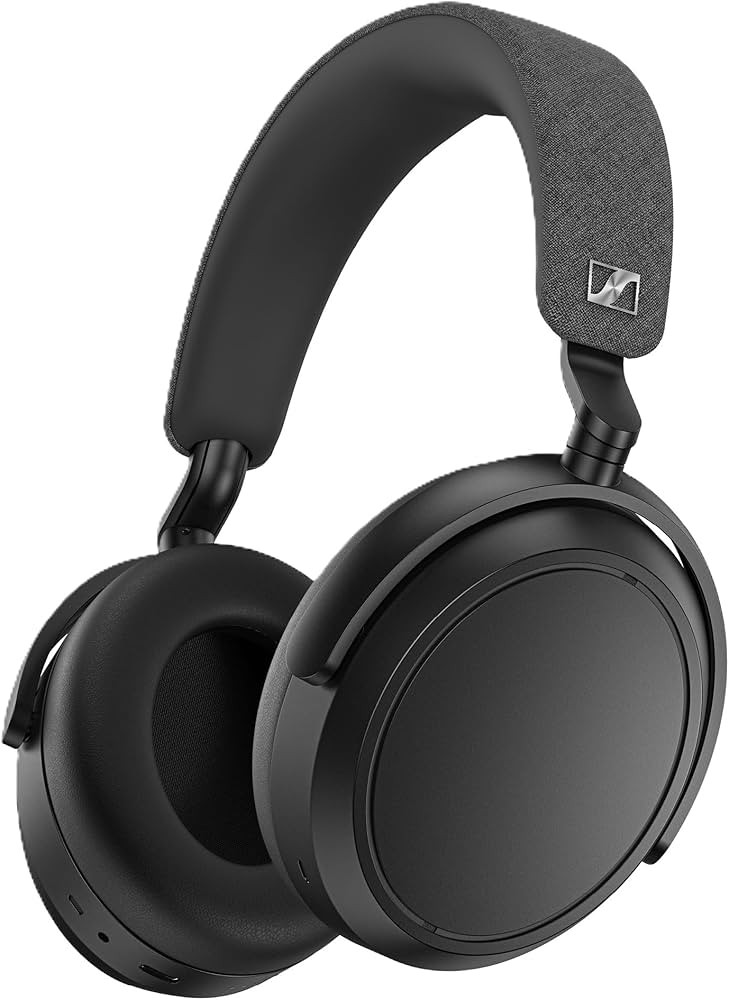
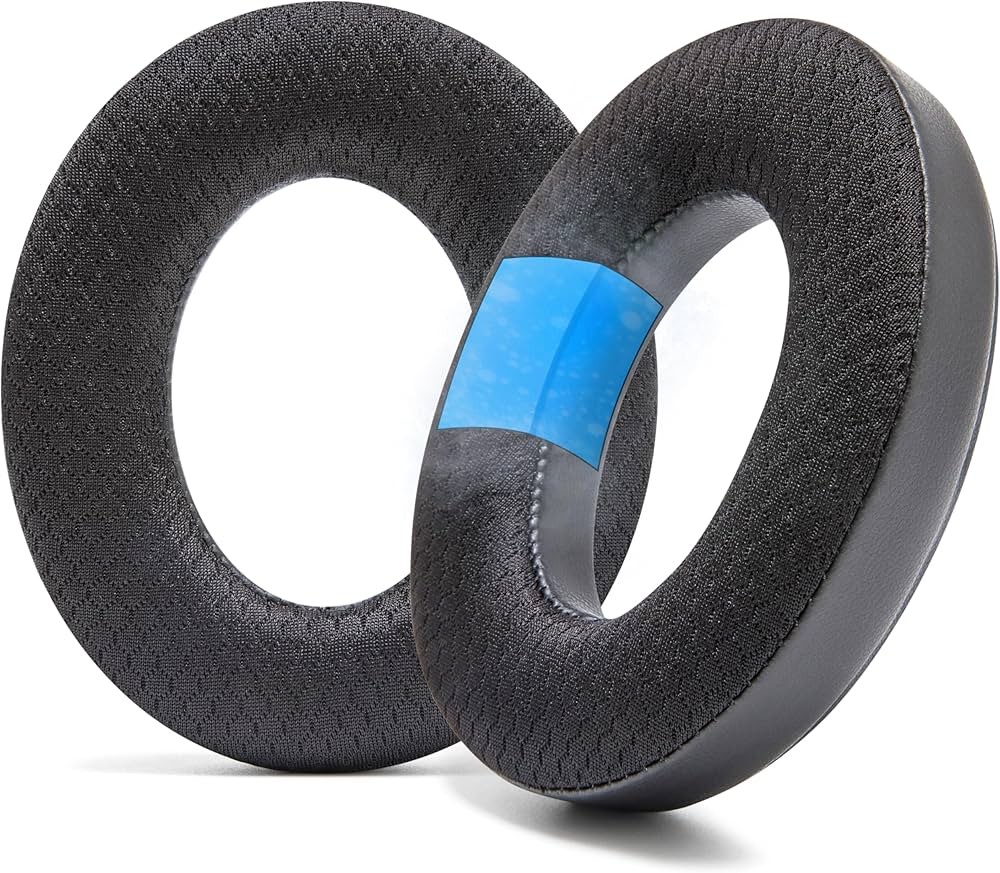
Where It Sits in 2026
The Sennheiser Momentum 4 Wireless is one of the most popular premium wireless headphones in recent years.
But let’s be clear:
It is not built as a basshead headphone.
It is tuned for:
- Balance
- Clean extension
- Long battery life
- Daily usability
If you are chasing extreme slam, this is not that headphone.
Technical Foundation
- 42mm dynamic driver
- Closed-back wireless design
- ANC
- Up to ~60 hours battery
- App-based EQ
Momentum 4 prioritizes battery efficiency and stability over extreme tuning.
Bass Performance Breakdown
Sub-Bass (20–40Hz)
Present and controlled.
You get decent low-end extension, but not physical rumble.
Compared to Sony ULT or dynamic wired bass monsters, it feels polite.
Mid-Bass (60–120Hz)
Moderate punch.
It has warmth, but it avoids heavy slam.
Kick drums feel clean – not aggressive.
This is intentional tuning for longer listening sessions.
Control & Clarity
This is where Momentum 4 shines.
Even on bass-heavy tracks:
- Vocals remain clear
- Instruments remain separated
- No bloom or muddiness
It is very composed.
What Bassheads May Notice
If you are used to:
- ZMF Atticus slam
- Fostex TH-808 punch
- Audeze sub-bass weight
Momentum 4 will feel restrained.
Even with EQ boost, it does not transform into a bass cannon.
The driver is tuned conservatively.
Strengths
- Extremely long battery life
• Comfortable for long sessions
• Stable wireless performance
• Clean tuning
Who Should Buy It
Buy if:
- You want balanced wireless sound
- You value clarity over slam
- You listen long hours
- You want reliable daily performance
Avoid if:
- You are a serious basshead
- You want chest-thumping slam
- You want deep sub-bass pressure
Usage Comparison
Slam vs Sub-Bass vs Control vs Scale
When choosing a basshead headphone in 2026, the biggest mistake is assuming all “strong bass” behaves the same.
There are four different bass personalities in this lineup:
- Athletic Slam
- Refined Authority
- Warm Muscle
- Planar Mass
- Controlled Precision
- Balanced Musical
- Wireless Practical
Let’s break them down clearly.
If You Want Raw Mid-Bass Slam
Best Choice: Fostex TH-808
This is the fastest, most physical dynamic slam in the list.
Kick drums hit immediately. Impact feels sharp and explosive.
Runner-Up: ZMF Atticus
Thicker and heavier than Fostex, but slower decay. More weight, less speed.
Choose Fostex for punch.
Choose ZMF for body.
If You Want Deep Sub-Bass Pressure
Best Choice: Audeze LCD-2 Classic
Planar magnetic density creates deep, sustained sub-bass waves.
It feels like pressure rather than punch.
Runner-Up: HIFIMAN Arya Organic
Also deep, but airier and more spacious.
Choose LCD-2 for density.
Choose Arya for width and scale.
If You Want Bass + High Clarity
Best Choice: Denon AH-D9200
This is the most balanced basshead option.
Impact remains strong, but vocals and imaging stay clean.
Runner-Up: Meze 109 Pro
More open and airy, slightly less aggressive.
Denon is refined slam.
Meze is elegant balance.
If You Want Tight, Controlled Closed Planar Bass
Best Choice: Dan Clark Audio Aeon 2 Noire
Not explosive – but extremely disciplined.
Ideal if you want bass precision over dominance.
If You Need Wireless Convenience
Choice: Sennheiser Momentum 4 Wireless
Clean, controlled, long battery life.
Not extreme — but usable daily.
Bass Personality Ranking
Fastest Slam
- Fostex TH-808
- Denon AH-D9200
- ZMF Atticus
Thickest Mid-Bass Weight
- ZMF Atticus
- LCD-2 Classic
- Denon AH-D9200
Deepest Sub-Bass Extension
- LCD-2 Classic
- Arya Organic
- Fostex TH-808
Most Balanced Overall
- Denon AH-D9200
- Meze 109 Pro
- Aeon 2 Noire
Which One Fits Your Personality?
If you like:
- Club impact → Fostex
- Live concert warmth → ZMF
- Cinematic pressure → LCD-2
- Massive soundstage depth → Arya
- Controlled precision → Aeon
- Refined daily listening → Denon
- Open musical balance → Meze
- Wireless practicality → Momentum 4
2026 Basshead Headphones Comparison Sheet
| Model | Driver Type | Sub-Bass Depth | Mid-Bass Slam | Bass Speed | Clarity Under Bass | Amp Required | Isolation | Comfort Level | Best For |
| Fostex TH-808 | Bio-Dynamic | Very Deep | Very Fast & Physical | Fast | Excellent | Recommended (Scales) | Closed | Good | Aggressive slam lovers |
| Denon AH-D9200 | Dynamic (FreeEdge) | Deep & Controlled | Tight & Clean | Fast | Outstanding | Optional (Improves) | Closed | Very Good | Refined bassheads |
| ZMF Atticus | Dynamic | Moderate-Deep | Very Heavy & Thick | Moderate | Warm | Yes (Strong Amp) | Closed | Good | Warm concert-like slam |
| Audeze LCD-2 Classic | Planar Magnetic | Extremely Deep | Thick Weight | Slower Decay | Very Good | Yes (High Current) | Open | Moderate (Heavy) | Sub-bass pressure seekers |
| Meze 109 Pro | Dynamic | Deep (Balanced) | Moderate | Fast | Excellent | Optional | Open | Excellent | Balanced musical bass |
| HIFIMAN Arya Organic | Planar Magnetic | Very Deep | Moderate | Clean | Excellent | Yes | Open | Very Good | Wide stage + sub-bass depth |
| Dan Clark Aeon 2 Noire | Planar Magnetic (Closed) | Deep & Linear | Tight | Fast | Excellent | Yes | Closed | Very Good | Controlled precision bass |
| Sennheiser Momentum 4 Wireless | Dynamic | Moderate | Moderate | Controlled | Good | No | Closed (ANC) | Excellent | Practical wireless bass |
Buying Guide
How to Choose the Right Basshead Headphone in 2026
Choosing a basshead headphone isn’t about asking, “Which one has the most bass?”
It’s about asking, “What kind of bass do I want to live with?”
Because in this list, bass behaves in fundamentally different ways.
Before you buy, you need clarity on four things:
- Slam vs Sub-Bass
- Wired vs Wireless
- Amplification Readiness
- Listening Environment
Let’s break this down properly.
Do You Want Slam or Depth?
This is the most important decision.
If you want kick drums to hit like a punch – sharp, fast, immediate, you want dynamic slam.
Choose:
- Fostex TH-808 for athletic impact
- ZMF Atticus for thick, heavy slam
If you want bass that feels like pressure building under the music — sustained, dense, cinematic — you want planar depth.
Choose:
- Audeze LCD-2 Classic for weight
- HIFIMAN Arya Organic for space + extension
Slam excites.
Depth envelops.
Are You Ready for Amplification?
This is where many buyers make expensive mistakes.
Some headphones here absolutely require proper amplification:
- LCD-2 Classic
- ZMF Atticus
- Arya Organic
- Aeon 2 Noire
Without clean power, you won’t hear their full bass authority.
If you want something more forgiving:
- Denon AH-D9200
- Meze 109 Pro
They scale with better gear but don’t punish weaker setups.
If you don’t want amplification at all:
- Sennheiser Momentum 4 Wireless is your only practical option here.
How Long Do You Listen?
Heavy bass can cause fatigue.
If you listen for hours:
- Denon AH-D9200 offers the best balance
- Meze 109 Pro is extremely comfortable
If you want short, high-impact sessions:
- Fostex TH-808
- ZMF Atticus
Planars (LCD-2, Arya) are heavier physically and sonically — better suited for seated sessions.
What Genres Do You Actually Play?
EDM / Trap / Modern Hip-Hop → Fostex or LCD-2
Rock / Live / Metal → ZMF Atticus
Cinematic / Orchestral → Arya or LCD-2
Mixed library / Audiophile balance → Denon
Casual daily streaming → Momentum 4
Your music taste determines your bass preference more than specifications.
The Most Important Truth
More bass is not always better.
Uncontrolled bass ruins clarity.
Overly warm bass reduces detail.
Underpowered planars feel flat.
The right basshead headphone feels powerful but composed.
Choose the personality that matches your listening style, not just the one ranked highest in slam.
FAQ
Basshead Headphones in 2026 – What Serious Buyers Ask
Which headphone here has the strongest overall bass?
If by “strongest” you mean a balance of slam and depth, the answer is:
- Fostex TH-808
It delivers fast, physical mid-bass impact while still extending cleanly into sub-bass territory.
If you mean deepest sub-bass pressure specifically:
- Audeze LCD-2 Classic
Planar magnetic drivers produce denser, sustained low-frequency weight.
Which model is the cleanest basshead option?
The most refined and controlled bass presentation in this list is:
- Denon AH-D9200
It provides impact without masking vocals or smearing details.
It’s the safest long-session choice for serious listeners.
Do I really need an amplifier?
For some models, yes
These require proper amplification to unlock full bass authority:
- Audeze LCD-2 Classic
- ZMF Atticus
- HIFIMAN Arya Organic
- Dan Clark Audio Aeon 2 Noire
Without sufficient power:
- Bass feels flatter
- Dynamics shrink
- Slam reduces
More efficient options:
- Denon AH-D9200
- Meze 109 Pro
Wireless option:
- Sennheiser Momentum 4 Wireless (no amp required)
Is planar bass better than dynamic bass?
It depends on what you value.
Dynamic drivers:
- Faster punch
- Stronger mid-bass attack
- More physical slam
Planar magnetic drivers:
- Deeper sub-bass extension
- Lower distortion at high volume
- Denser low-frequency texture
If you want kick drum impact → dynamic.
If you want sustained pressure → planar.
Are open-back headphones bad for bass?
No, but they behave differently.
Open-back models like:
- Audeze LCD-2 Classic
- HIFIMAN Arya Organic
Produce wider soundstage and airier sub-bass.
Closed-back models like:
- Fostex TH-808
- Denon AH-D9200
- ZMF Atticus
Deliver stronger slam and isolation.
Choose based on environment and taste.
Which headphone is best for long listening sessions?
Most fatigue-free bass experience:
- Denon AH-D9200
- Meze 109 Pro
Extreme slam models (like ZMF or Fostex) can feel intense over very long sessions.
Is wireless bass ever equal to wired?
No,
Wireless models like:
- Sennheiser Momentum 4 Wireless
Are convenient and capable, but cannot match the dynamic range and authority of wired, properly amplified headphones. Bluetooth compression, internal amplification limits, and power constraints always create a ceiling.