
Life Without Wires Isn’t the Future. It’s the Present.
If 2020 was the dawn of wireless convenience, then 2026 is the year the cords truly disappeared. Our devices don’t just untether; they adapt—syncing, charging, streaming, and sensing without the rituals of plugging in. The wireless world has quietly moved from novelty to necessity. We charge through magnets, stream lossless music over air, share data across invisible protocols, and power entire homes without a central hub. The word “wireless” no longer suggests compromise. It now means seamless.
The consumer shift is more psychological than technical. In interviews and community threads—from Reddit’s r/gadgets to Quora’s home tech discussions—people describe a shared relief in “decluttering their lives.” The cable nest behind the desk or the tangle of chargers on the nightstand wasn’t just messy; it symbolized dependency. Now, a Qi2 magnetic charger replaces four separate cables. A pair of LE-Audio earbuds sync across phone, laptop, and smartwatch without missing a beat. A Wi-Fi 7 mesh network makes every corner of the home feel connected yet invisible.
But this transformation isn’t simply about speed or efficiency—it’s aesthetic and emotional. In design forums, minimalism lovers talk about “the visual silence” of wireless spaces. In wellness communities, users mention “mental clarity” from reducing clutter. Wireless tech has become an act of lifestyle curation: it makes our surroundings look cleaner, our routines smoother, and our minds calmer. The best innovations are now defined by how little they demand from us.
The technology itself has matured fast. Bluetooth LE Audio introduces the LC3 codec—high fidelity at lower power and with multi-stream sharing. Qi2, the magnetic wireless charging standard backed by Apple, Samsung, and Belkin, closes the speed gap between wired and wireless. Matter 1.3 and Thread networks let smart homes run without clunky hubs or brand-specific bridges. Even routers are evolving into silent workhorses—Wi-Fi 7’s multi-link operation blends frequencies so reliably that buffering finally feels like a relic.
As we step deeper into 2026, the most interesting question isn’t what’s wireless but how well wireless technology integrates into everyday life. From earbuds that understand your hearing profile to portable power banks that magnetically snap onto your phone and recharge at 25 watts, the revolution is as much about elegance as engineering.
In this story, we’ll explore the wireless trends redefining modern living—across audio, charging, home, mobility, and wearables—and the accessories that finally make “cutting the cord” a complete experience. These aren’t just gadgets; they’re quiet enablers of simplicity, freedom, and calm in a world that once thrived on tangled chaos.
True Wireless Earbuds: Beyond the Basics
Not long ago, wireless earbuds were the weakest link in our cord-cutting dreams—unreliable connections, thin sound, and batteries that seemed to die right when the chorus hit. In 2026, that era feels almost primitive. The new generation of true wireless earbuds doesn’t just catch up with wired fidelity—it redefines what portable audio can feel like.
The biggest leap is invisible: Bluetooth LE Audio and its LC3 codec. These make wireless sound smoother, richer, and far more power-efficient. The latency drops low enough for gaming, and multi-stream support means you can connect one pair of buds to your phone and laptop simultaneously, switching with zero fuss. Audiophiles on forums call this “the year Bluetooth finally grew up.”
1. Bose Ultra Open Earbuds

Bose’s 2026 flagship re-imagines comfort. Instead of sealing your ear, the Ultra Open clips gracefully along its curve—open enough to hear the city, precise enough to enjoy the bass line. Reviewers call the fit weightless, and for office workers or commuters, that awareness is priceless. The brand’s Immersive Audio mode uses motion sensors to keep sound fixed in space as you move your head—like carrying a pocket-sized soundstage.
Real voices: one Redditor summed it up best: “I forget they’re there until I take them off and silence feels wrong.” That’s what good wireless should do—become an extension of your senses, not a gadget in your ear.
2. Nothing Ear (3)
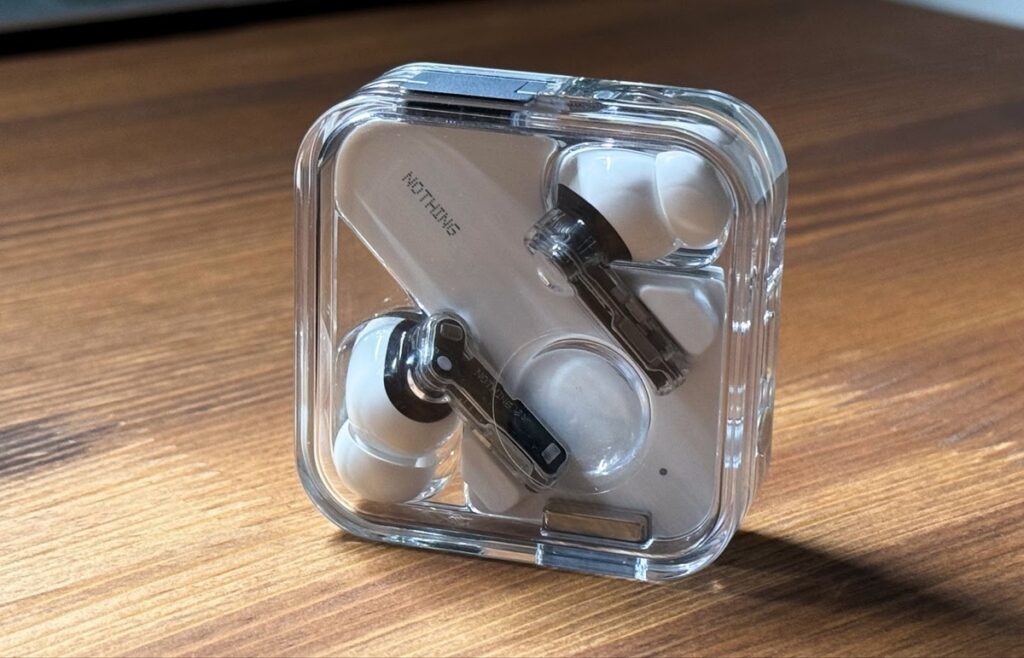
If Bose stands for acoustic maturity, Nothing Ear (3) speaks for the cultural pulse. Transparent casings, clean geometry, and color-coded LEDs make these earbuds feel like wearable tech jewelry. But it’s not just style; dual-chamber drivers and adaptive ANC bring surprising depth at midrange volumes. On TikTok and YouTube, users praise their *“real-world balance”—*good sound, clean design, and no ecosystem lock-in.
Nothing understands that wireless today is emotional. Owning tech that looks like art is part of how consumers express identity, especially among Gen Z buyers who see earbuds as fashion as much as function.
3. Beats Fit Pro (2026 Edition)
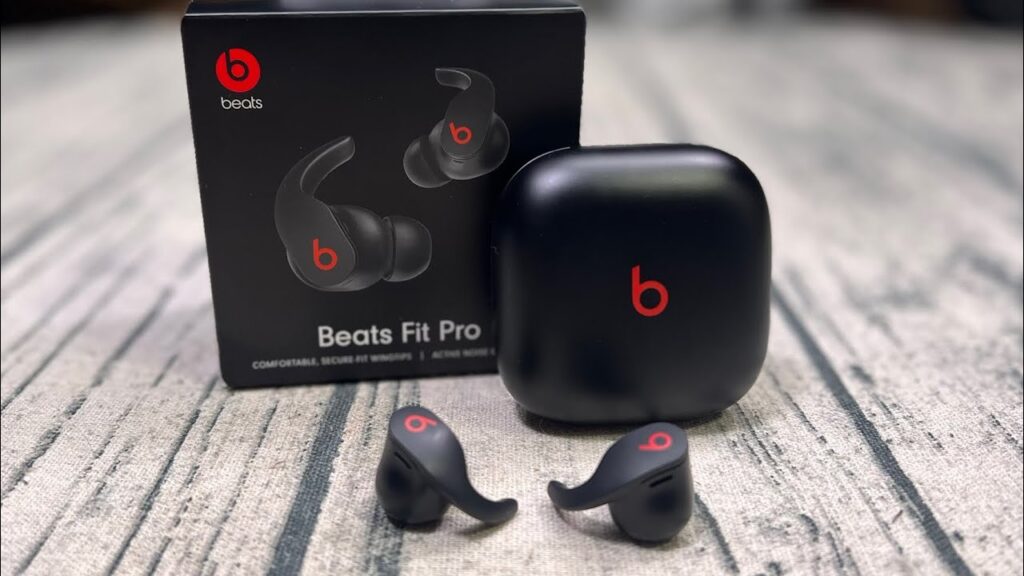
The new Beats Fit Pro leans into movement. Its flexible wing-tip design has been subtly reshaped for stability, while updated Apple H2 chips add personalized spatial audio that tracks your head position. For joggers, dancers, and gym-goers, it’s the sound of momentum—bass-forward, body-aware, and sweat-proof.
What makes them stand out isn’t just the music; it’s the feeling of flow. In community reviews, users describe how these buds “disappear” during workouts, creating that zone where you stop noticing the hardware and only feel rhythm.
4. Sennheiser Momentum True Wireless 4
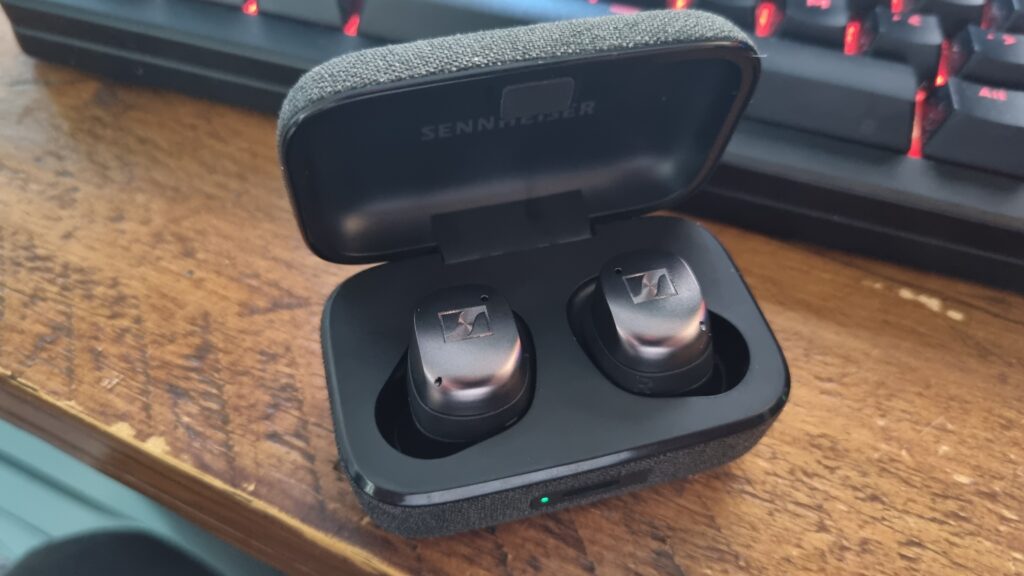
For those chasing detail and texture, Sennheiser’s latest generation finally nails lossless wireless. LC3 Plus streaming and a refined 10 mm dynamic driver deliver the lush, analog-like warmth audiophiles once said Bluetooth could never replicate. The soundstage is deep, the vocals natural, and the noise cancellation confident enough to rival full-size headphones.
Across these models, the pattern is clear: wireless no longer means compromise. Each brand tells a different story—Bose for comfort, Nothing for design, Beats for movement, Sennheiser for fidelity—but they converge on the same truth: freedom without friction.
In 2026, putting on earbuds isn’t about cutting the cord; it’s about cutting distraction. The technology fades away, leaving only the experience—music that moves with you, sound that breathes, silence that feels intentional.
Wireless Charging Ecosystems: The Qi2 Revolution
The promise of wireless charging was always seductive: place your phone down, and power flows—no cables, no anxiety. Yet, for years, it never quite lived up to that dream. Chargers overheated, alignment was finicky, and speeds lagged behind wired connections. But in 2026, the new Qi2 standard finally delivers what early adopters were promised — true, effortless power.
Built around MagSafe-style magnetic alignment, Qi2 eliminates the most frustrating part of wireless charging: precision placement. You simply snap your phone onto the pad, and it locks into the optimal coil position every time, ensuring consistent 15–25W charging speeds. The magnets aren’t just a feature—they’re a quiet revolution in how energy and design now cooperate.
It’s not just about one charger anymore. Consumers are creating entire wireless ecosystems—a bedside stand for the phone and watch, a desktop cube for multi-device power, and a slim magnetic battery pack for travel. The experience is smoother, smarter, and finally worthy of the “wireless” label.
1. Anker 3-in-1 Cube with Qi2
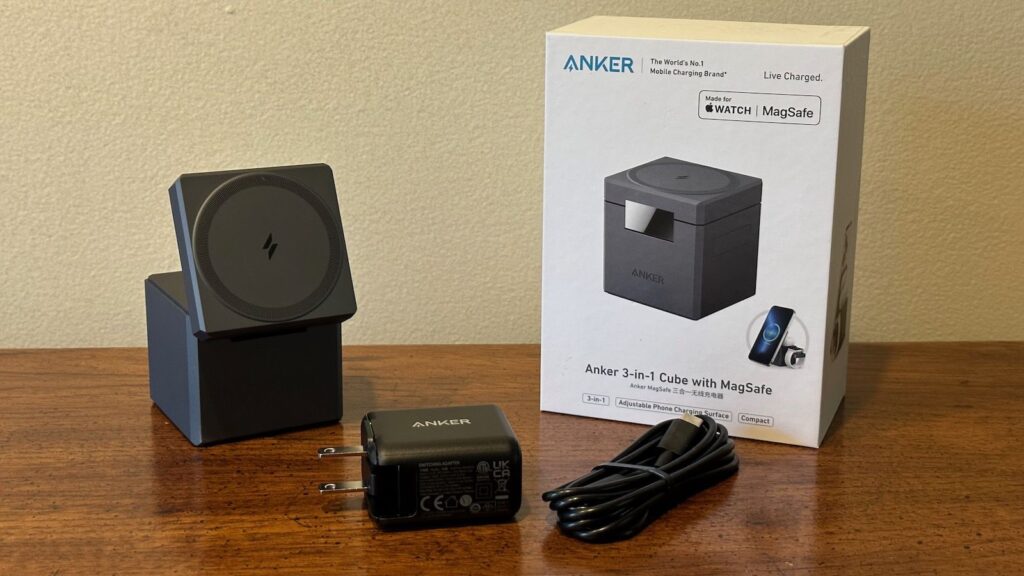
It’s the charger that looks like sculpture. The Anker 3-in-1 Cube compresses a phone stand, Apple Watch puck, and earbuds dock into one travel-sized block that unfolds like origami. Every surface is functional, every line deliberate. Reviewers rave about its magnetic precision and cool operation—a rare combination in fast wireless charging.
Real-world insight: “It’s the first wireless charger I trust overnight,” one Reddit user wrote. “No overheating, no cable hunt at 2 a.m.” That’s what 2026 wireless living should feel like—trust, not troubleshooting.
2. Belkin BoostCharge Pro 3-in-1 (Qi2 Edition)
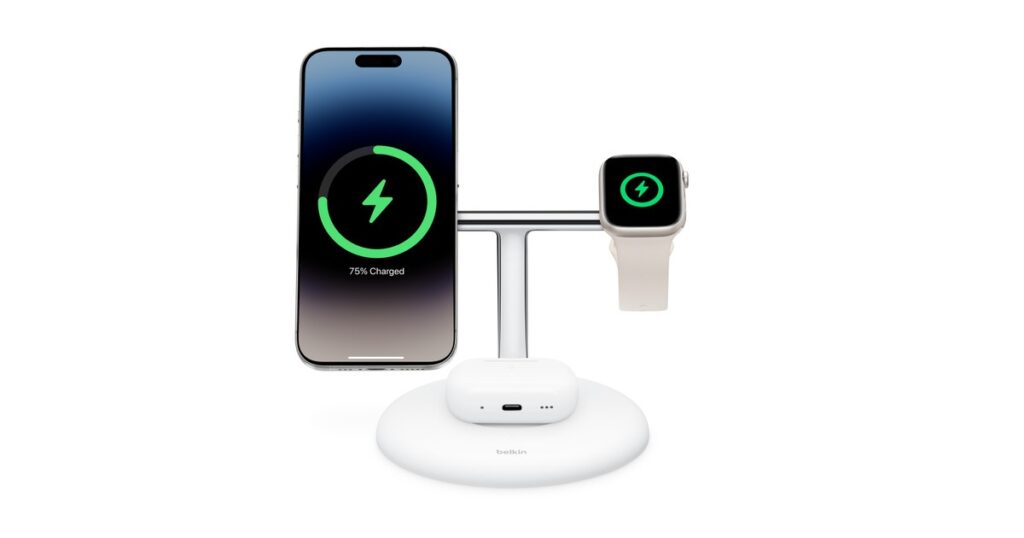
Belkin remains the quiet heavyweight of wireless power. Its BoostCharge Pro line now embraces Qi2’s magnetic array and refined power management. What sets it apart is aesthetic restraint—brushed aluminum, floating platforms, and a perfectly balanced tilt angle that turns a utility into a design piece.
It’s more than charging; it’s spatial harmony. In minimalist setups, this charger acts like a centerpiece—a visual metaphor for balance, simplicity, and motion reduced to elegance.
3. ESR HaloLock Qi2 Magnetic Power Bank
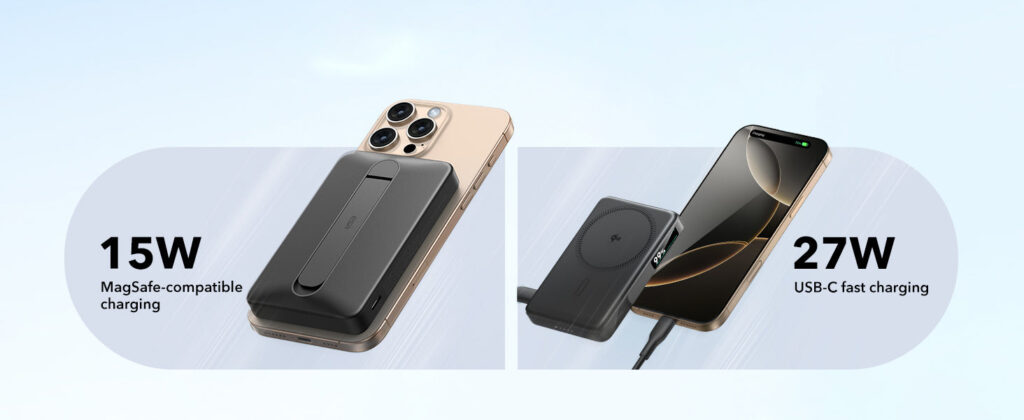
Portable charging finally went wireless and practical. ESR’s new HaloLock Qi2 series brings magnetic snap-on design to on-the-go life. The bank attaches to your phone like an extension, with up to 25 W wireless output—enough to truly replace a cable during travel. The built-in kickstand doubles as a viewing rest, while its safety circuit prevents overheating (a problem older magnetic banks often ignored).
A Reddit thread recently called it “the most useful upgrade of the year”, emphasizing a growing truth: we no longer think of chargers as accessories—they’re companions.
4. Ugreen MagFlow 10K (Qi2 Certified)
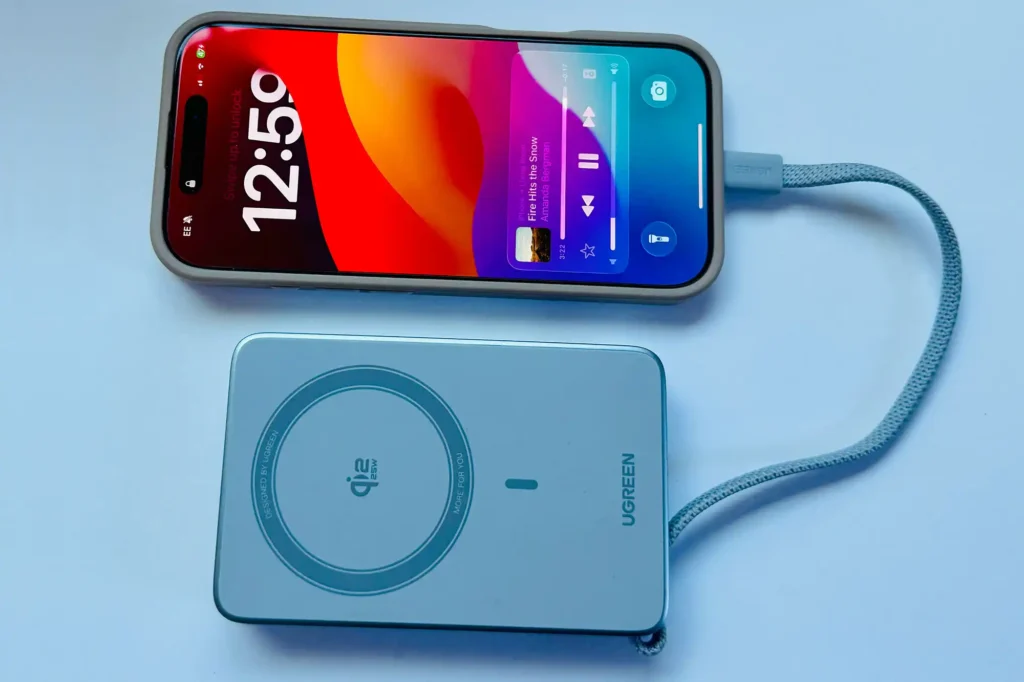
Ugreen’s MagFlow 10K is an example of functional beauty done right: transparent casing, magnetic snap, and an LED power dial that feels almost analog. It caters to Android and iPhone users alike, signaling a trend toward ecosystem neutrality.
Where early wireless power banks were niche, the 2026 generation is universal—Qi2’s global adoption ensures you can share one charger across devices and brands, erasing the old territorial walls of Apple vs Android.
What emerges from this new wave is a quiet sense of relief: one standard, many lifestyles. Whether you’re a minimalist who values visual calm or a traveler who needs portable certainty, Qi2 has turned the act of charging into something invisible, predictable, and oddly beautiful.
The shift isn’t just technological—it’s psychological. Every time you drop your phone on a pad instead of hunting for a cord, you reclaim a little mental bandwidth. Wireless charging in 2026 isn’t about faster electrons; it’s about fewer decisions, cleaner desks, and the serene efficiency of power that simply happens.
Wireless Headphones with Smart Integration: Where Sound Meets Intelligence
The modern headphone is no longer a passive speaker strapped to your ears — it’s a thinking companion. In 2026, the best wireless headphones aren’t defined by how loud they get, but by how intuitively they listen — to you, your surroundings, and your needs. The fusion of AI-driven sound adaptation, lossless streaming, and spatial intelligence has transformed wireless listening from a simple pleasure into a form of sensory personalization.
What started as convenience has matured into consciousness. Headphones now detect your environment, predict what you’ll need next, and tailor audio not just to your taste but to your context. Whether you’re walking through a busy station, joining a remote meeting, or winding down at night, your headphones are becoming extensions of emotional rhythm.
1. Bowers & Wilkins Px8 (2026 Edition)

When Bowers & Wilkins designed the Px8, they aimed not just for sound excellence but emotional accuracy. The 2026 refresh refines its carbon cone drivers and adds adaptive ANC powered by AI-driven ambient recognition — sensing when you’re in conversation or surrounded by noise and adjusting transparency in milliseconds.
The Px8 is luxury through restraint: soft-grain leather, die-cast aluminum arms, and a tactile dial that feels mechanical in a digital world. In community discussions, listeners describe them as “headphones that breathe.” The bass doesn’t dominate; it grounds you. The vocals don’t shout; they speak.
2. Focal Bathys Wireless
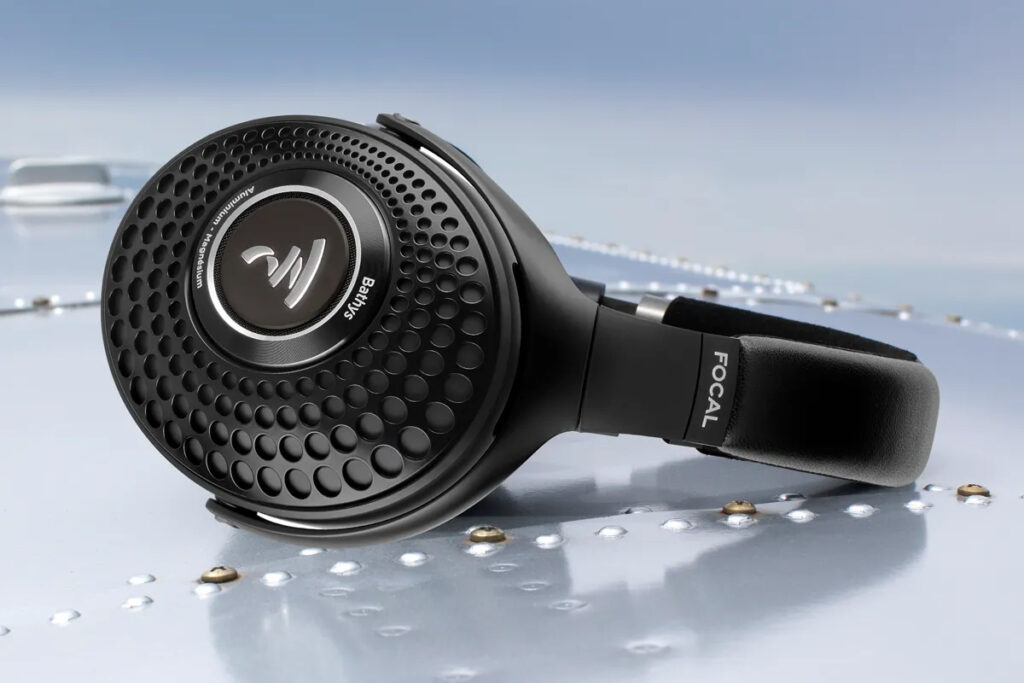
From France’s audiophile powerhouse, the Bathys merges traditional hi-fi craftsmanship with cutting-edge wireless precision. With new LE Audio LC3+ streaming and an upgraded DAC mode, it delivers studio-level clarity wirelessly — a decade ago, that sentence would have sounded impossible.
Owners say Bathys creates an acoustic intimacy: a warmth that feels personal rather than performative. Reviewers on YouTube and Head-Fi forums call its midrange “human,” a word rarely used for headphones, and perhaps the best measure of what wireless technology now allows — realism without restriction.
3. Denon AH-D9200 Wireless Edition
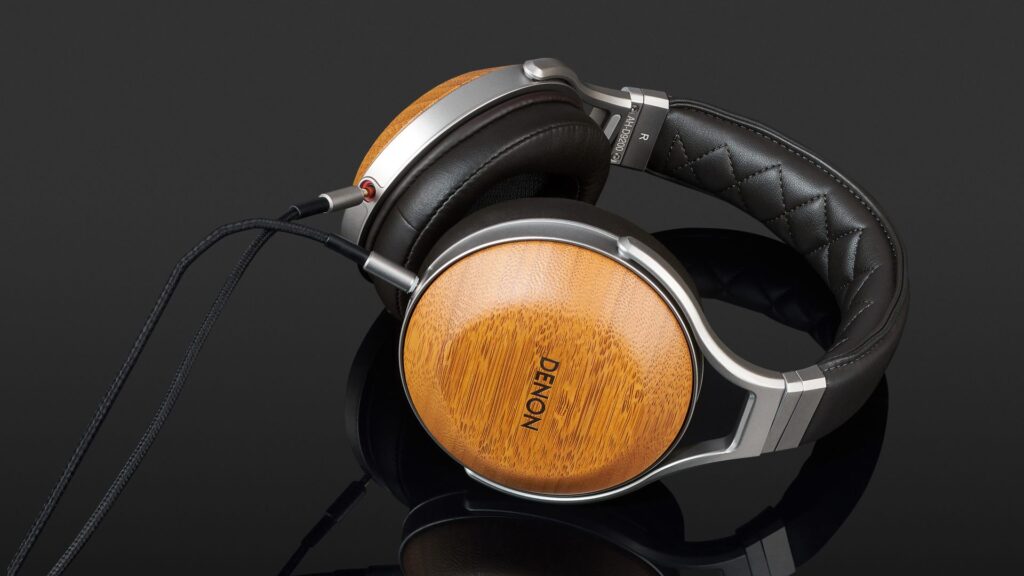
A classic reborn. Denon took its iconic wood-cup design and stripped away the wire. What remains is pure, textured audio with 96-kHz lossless streaming support. Each ear cup is carved from Japanese bamboo, making every pair subtly unique — part natural, part technological.
This headphone represents the maturing of wireless craftsmanship: every material matters, not just for looks but for resonance. Users praise how it handles cinematic scores — “like being inside the orchestra pit,” one forum user wrote. It’s wireless luxury that respects analog soul.
4. Sony WH-1000XM6
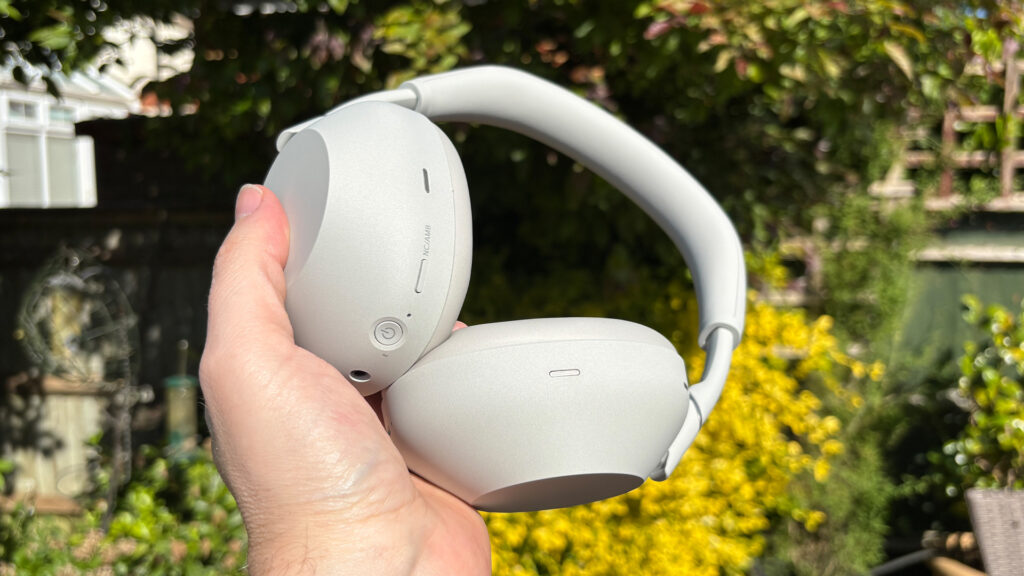
Sony’s newest generation perfects balance — not just sound balance but life balance. The XM6 uses context-aware sensors to anticipate what you’re doing: pausing when you speak, lowering ANC when you walk, optimizing soundstage when you sit. It’s the “mind reader” of wireless headphones — quietly practical, remarkably intuitive.
Its 40-hour battery, fast Qi2 charging, and AI equalizer show how the headphone category is merging with lifestyle tech. The XM6 isn’t just for audiophiles; it’s for people who want serenity that travels with them.
Across these models, a new truth emerges: wireless no longer trades fidelity for freedom. Every brand is interpreting that differently — Bowers & Wilkins as sensory craftsmanship, Focal as acoustic purity, Denon as heritage renewed, and Sony as intelligence that serves humanity.
In 2026, the best wireless headphones aren’t competing on specs; they’re competing on empathy. They understand when to isolate you, when to connect you, and when to simply step back and let the world play its part. That’s not just wireless audio — that’s wireless awareness.
Wireless Power Banks & On-the-Go Charging: Freedom That Travels
There’s a quiet anxiety that modern life taught us to live with — battery percentage. It’s the silent panic before a flight, the unease during a long commute, the moment your phone dips below 10% and the world suddenly feels smaller. In 2026, that tension is finally dissolving. Wireless power banks have evolved from bulky backups into refined lifelines — elegant, intelligent, and powerful enough to be trusted with our daily rhythm.
This year marks a generational leap. With Qi2-certified 25 W wireless output and wired fast-charge speeds exceeding 45 W, top-tier banks now charge laptops, tablets, and phones alike. The boundaries between mobility and power are gone — and so are the cables. What remains is design empathy: products built to power your day without breaking your flow.
1. ESR HaloLock Qi2 Power Bank
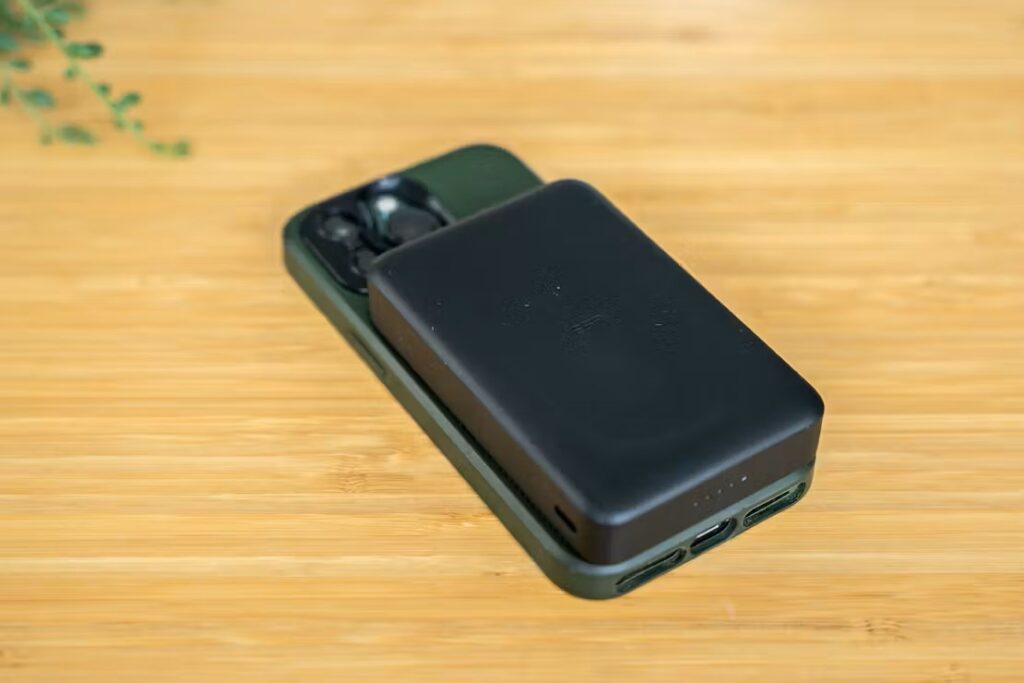
The HaloLock Qi2 sits at the intersection of transparency and trust. Its crystal housing exposes the inner coil — a visual metaphor for honesty in engineering. With built-in heat sensors and perfectly balanced magnets, it snaps securely and stays cool even during 25 W fast-charge sessions.
Reddit reviewers call it “the first wireless charger that doesn’t make me check my phone temperature.” That’s the true test of wireless maturity — not just speed, but serenity.
2. Ugreen MagFlow 10K Qi2 Power Bank
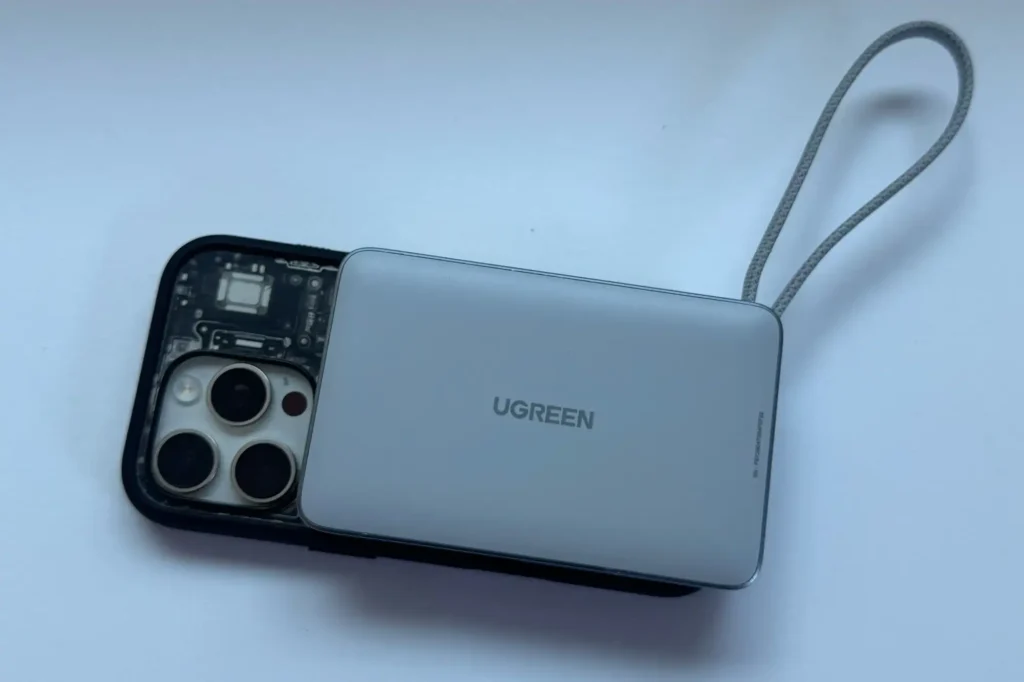
Sleek, universal, and travel-ready, the MagFlow 10K offers bidirectional 25 W Qi2 wireless output and input, meaning it can both charge and be recharged wirelessly. The transparent chassis reveals its copper charging ring — a nod to 2026’s design trend toward functional beauty.
For digital nomads, it’s the all-day companion that never needs babysitting. You drop it on a pad at night, wake up, and it’s ready to go — no cords, no clutter, no waiting.
3. Anker MagGo 3-in-1 Dock Stand
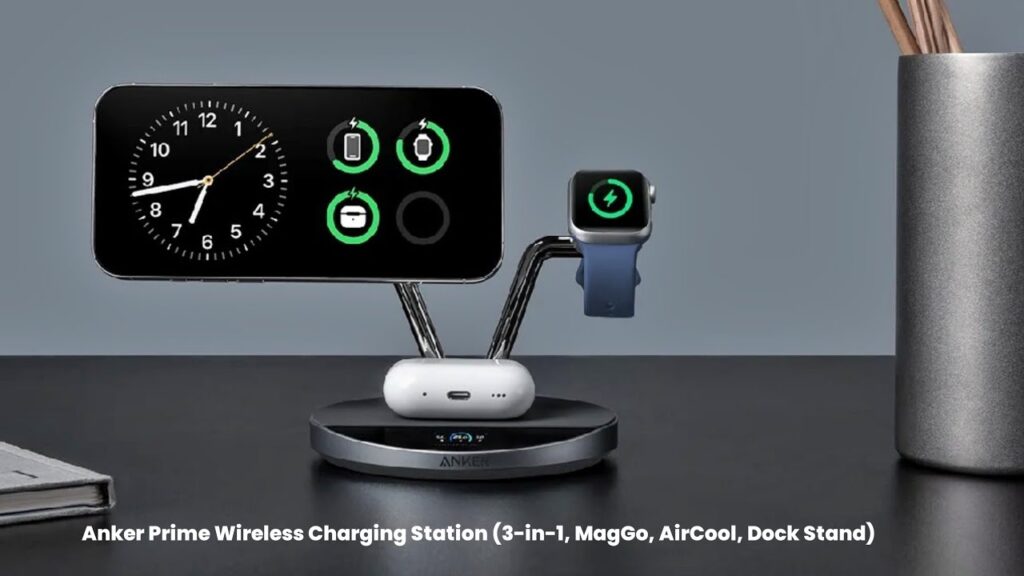
Anker’s MagGo Dock is a masterclass in multi-role design. It unfolds from a travel cube into a full three-device Qi2 charging station, with optimized magnet alignment for phone, earbuds, and watch. Its silent thermal system dissipates heat naturally — a small but essential detail for anyone who sleeps next to their devices.
On minimalist desks, it feels almost sculptural. Owners describe it as “a charger that looks like it belongs in an art gallery.”
4. INIU Qi2 45 W Magnetic Power Bank
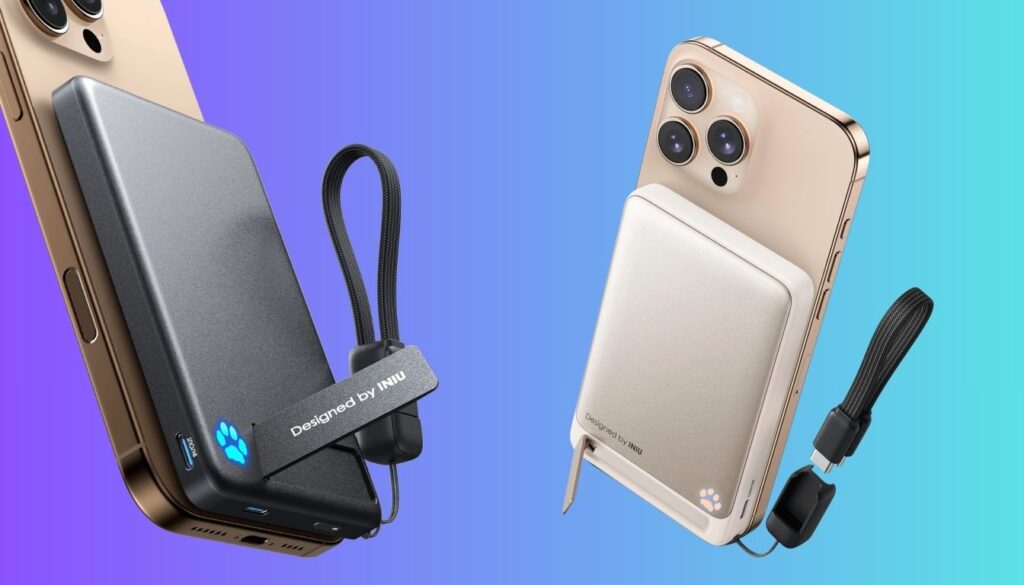
Power, elegance, and engineering precision — the INIU Qi2 45 W Magnetic Power Bank represents the high end of truly wireless energy. Beneath its smooth matte shell lies a 10,000 mAh cell capable of 25 W Qi2 wireless charging and 45 W USB-C PD output — enough to top up a laptop or tablet while simultaneously fast-charging a phone magnetically.
Unlike earlier “fast” banks that overheated or throttled, INIU’s intelligent thermal control keeps both efficiency and calm intact. A soft halo light signals active alignment — no guessing, no fidgeting. The magnetic lock feels reassuringly strong, snapping onto the phone like a precision-fit watch clasp.
Consumers love its composure: “I’ve stopped carrying cables altogether,” one early buyer noted, “and I’m never nervous before a flight anymore.” It’s not just high output — it’s emotional assurance in your palm
The new generation of power banks doesn’t just keep your devices alive — it keeps your peace of mind intact. Wireless energy has matured into something holistic: quiet power, minimalist form, and total freedom of movement. In 2026, charging isn’t an interruption; it’s an invisible extension of your lifestyle.
Smart Home Goes Hub-Free: Matter & Thread Devices Take Over
In the early smart-home years, “wireless” was a myth wrapped in cables. Boxes, hubs, and brand-locked bridges cluttered every shelf. A simple smart bulb needed a proprietary gateway, and every company demanded its own app. The dream of a seamless, invisible home network felt forever postponed.
By 2026, that dream finally arrived — quietly, confidently, through Matter 1.3 and Thread.
These two open standards are the silent heroes of the wireless movement. Matter acts as a universal language that lets Apple, Google, Samsung, and Amazon devices talk freely. Thread is the invisible mesh that links them, removing the need for routers or bridges. Together, they create homes that are truly hub-free — faster, cleaner, and far less frustrating.
1. Nanoleaf Essentials Matter Series
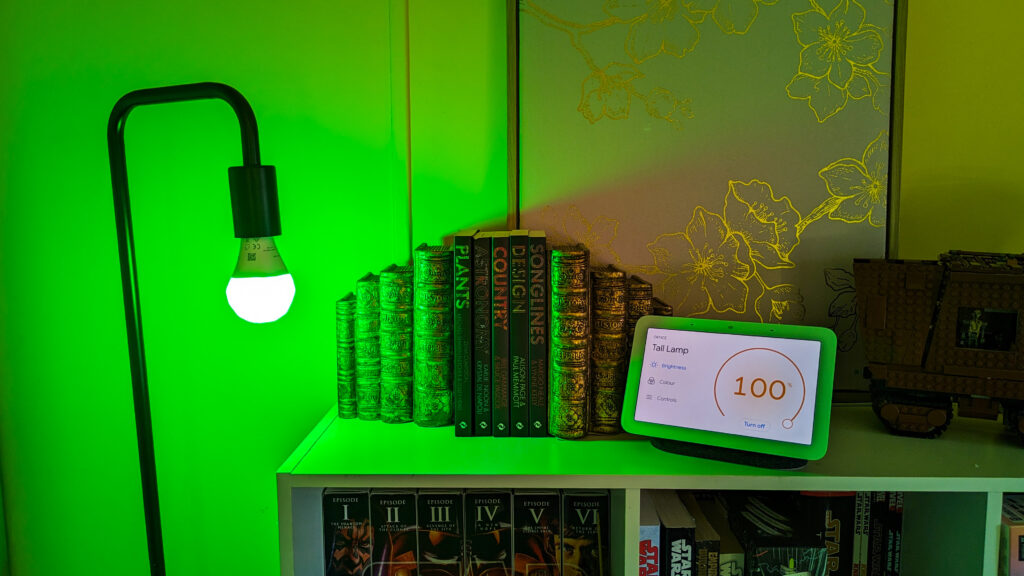
Nanoleaf’s Essentials Matter Series lights embody what 2026 smart living should feel like — responsive, artful, and human. The new Thread-enabled bulbs and lightstrips respond instantly to voice or presence detection, bathing rooms in soft, adaptive color without delay.
Homeowners describe the transformation emotionally: “It’s like my house is breathing with me.” That’s the difference Matter brings — communication that feels intuitive, not engineered. No hubs. No lag. Just pure ambiance.
2. Eve Motion & Eve Door/Window Sensors (Thread Edition)
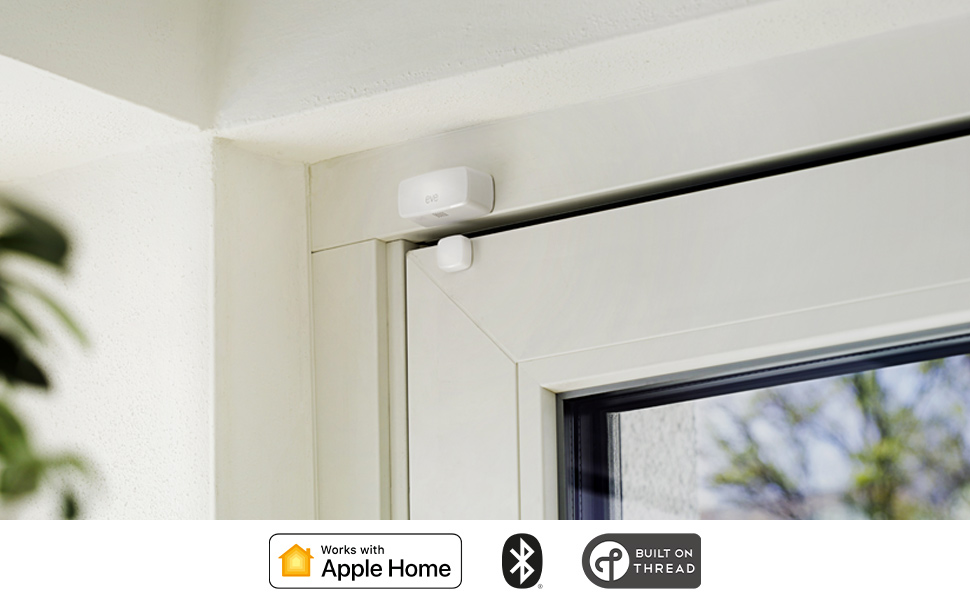
The updated Eve Motion and Eve Door/Window Sensors embody wireless independence. They connect directly over Thread, waking from deep sleep only when movement or contact is detected — conserving energy while responding instantly.
Their privacy-first approach stands out in a market still cloud-obsessed. All automation runs locally, keeping routines smooth even if Wi-Fi drops. It’s the difference between a smart home that listens to you and one that waits for the internet’s permission.
As one early adopter on HomeAssistant forums put it: “Thread feels like oxygen — always there, never seen.”
3. IKEA Dirigera Hub (Updated as Matter Controller + Thread Border Router)
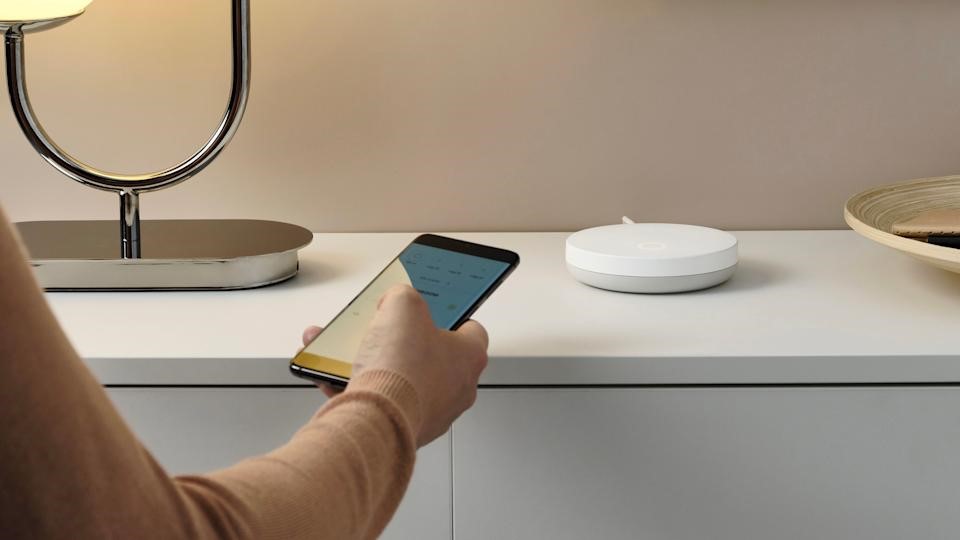
Yes, even IKEA joined the quiet revolution. Its updated Dirigera Hub isn’t really a “hub” anymore — it’s a bridge into invisibility. Acting as a Matter controller and Thread border router, it lets multiple brands coexist in one clean ecosystem.
What used to take ten steps — pairing, syncing, app installs — now takes two. IKEA’s design philosophy shines here: affordability meeting simplicity. Paired with its minimalist smart bulbs and blinds, it’s proof that mass-market products can feel premium when the user experience is pure.
4. Aqara Smart Lock U200 (Matter Over Thread)

Security devices are often last to evolve, but Aqara’s U200 Smart Lock marks a major leap. It’s the first widely available Matter over Thread lock — meaning it connects directly, no Wi-Fi bridge, no Bluetooth instability. The result: instant response and week-long battery efficiency.
For users, the benefit isn’t just technical — it’s emotional. Coming home now feels natural again. You approach, the lock senses you, and a soft click replaces fumbling keys. It’s technology fading into ritual.
The Emotional Shift — From Smart Homes to Calm Homes
The thread running through these devices isn’t just data — it’s design empathy. We used to chase control: lights that obeyed commands, thermostats that learned routines. In 2026, consumers crave invisibility. The smartest homes are the ones that stop reminding you they’re smart.
With Matter and Thread, everything speaks the same silent language. Lamps respond before you ask. Doors unlock when you’re close. Scenes unfold like choreography — graceful, reliable, unseen.
Wireless no longer just means “without cables.” It now means without friction.
Wireless Car Tech: Seamless Mobility
Not long ago, the car was the final frontier for cords. Charging cables tangled in cup holders, phone mounts dangled awkwardly, and every trip began with a ritual of plugging in. In 2026, that chaos feels antique. The modern cabin has become a wireless environment — sleek, self-aware, and designed around effortless continuity.
You step in, your phone syncs instantly, navigation lights up, and charging begins before you even think about it. No cords. No pairing screens. Just motion that flows.
1. mophie Qi2 Wireless Car Vent Mount

Mophie’s premium Qi2 vent mount feels like the wireless future realized — a sculpted alloy frame, soft-touch grip, and 15–25 W Qi2 magnetic charging that snaps your phone into perfect alignment. It’s compatible with both iPhone MagSafe and the new Qi2 Android devices, making it the “one-charger-fits-all” solution road-trippers have been waiting for.
Drivers describe it as “the mount that feels designed, not engineered.” The connection is invisible yet solid; you drop the phone, it locks, it powers. Mophie has mastered the choreography of wireless confidence.
2. UGREEN Qi2 Wireless Car Mount Charger

UGREEN’s Qi2 Car Mount proves that performance doesn’t have to cost a fortune. It offers strong magnetic alignment, a reliable 25 W wireless output, and an advanced heat-dissipation backplate that keeps temperatures steady on long drives.
Amazon buyers praise it for its stability over bumps and “zero-fuss setup.” You just clip it to the vent, snap the phone, and forget about it. In a market flooded with cheap look-alikes, UGREEN’s build quality feels reassuringly premium — heavy in the hand, light on the dashboard.
3. Anker Nano Wireless Car Charger
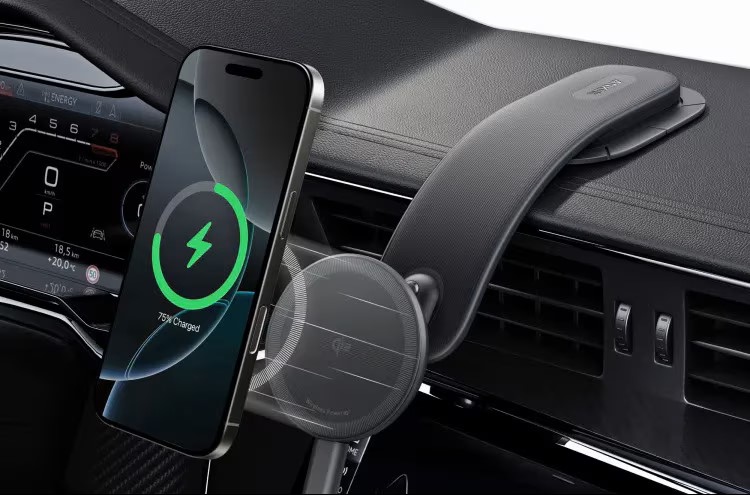
The Anker Nano wireless car charger is the compact masterpiece of 2026. Anker’s Nano series, known for tiny powerhouses, now brings Qi2-level precision to the car. It supports up to 25 W wireless charging, reinforced magnets, and an integrated smart-cooling system that prevents charging slowdown on long journeys.
What users love most is the silence — no vibration rattles, no overheat hum. It’s the wireless experience distilled to calm efficiency. One review summed it up: “It doesn’t announce itself; it just works.”
4. Quad Lock Wireless CarPlay / Android Auto Adaptor
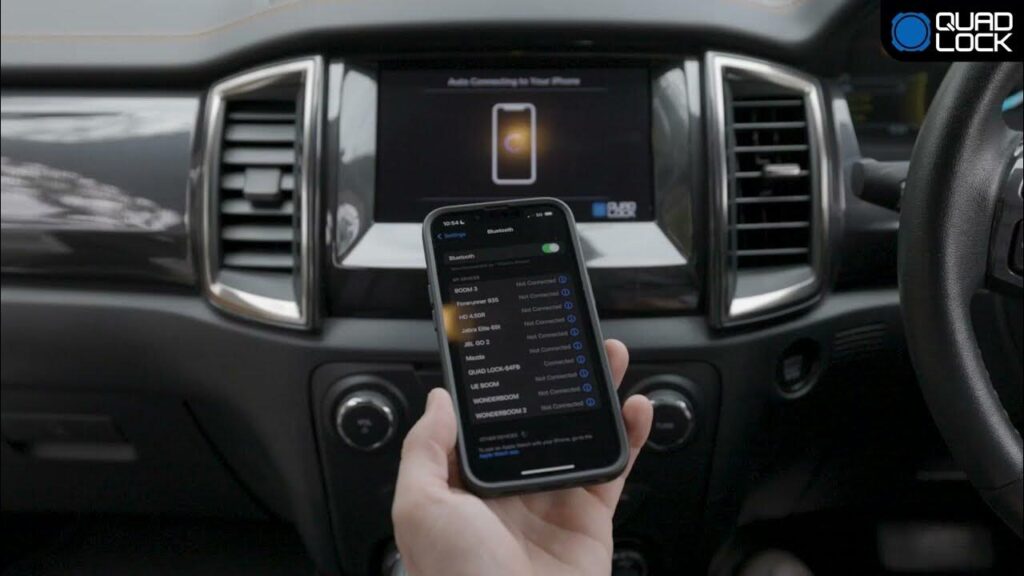
The true star of 2026 road tech isn’t another mount — it’s the disappearance of wires for infotainment. Quad Lock’s latest CarPlay/Android Auto Adaptor turns any wired system wireless in seconds. You plug it into your car once, and from then on, the phone connects automatically via dual-band Wi-Fi with almost no latency.
It’s fast, seamless, and built for people who live between ecosystems. Travelers who tested it say “it feels native — like the car was designed this way all along.” That’s the power of thoughtful wireless design: no apps, no waiting, no friction.
5. OQTIQ Qi2-Certified Magnetic Wireless Mount
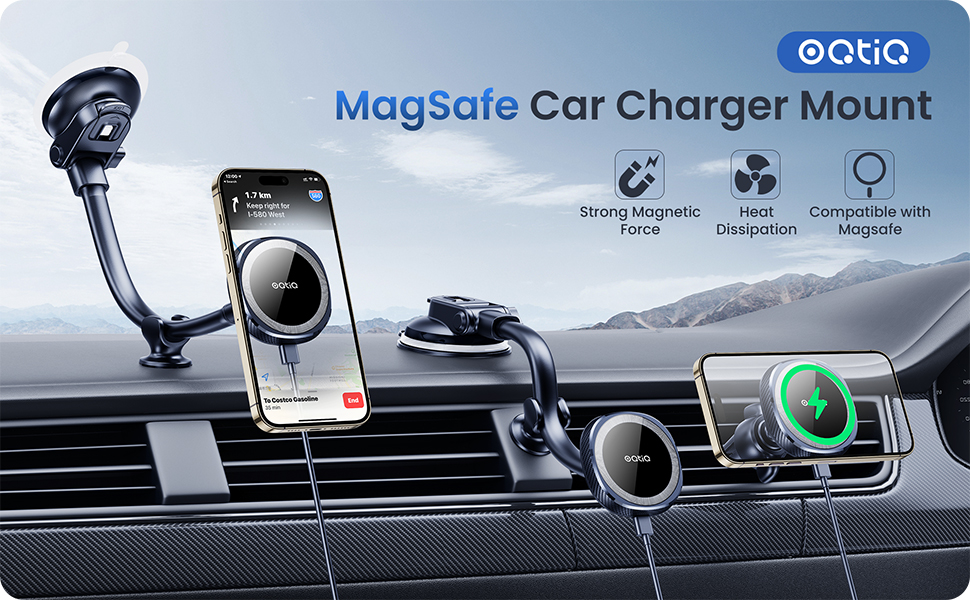
For those who crave a balance of function and design, OQTIQ’s Qi2-certified mount offers sleek aluminum construction, auto-centering magnets, and full 25 W wireless support — all under £35. It’s a rising favorite among UK buyers who want Apple-level polish without Apple-level pricing.
Its LED ring glows subtly as power flows, a design cue many describe as “a calming visual heartbeat on the dashboard.”
Driving Without Distraction
This generation of car tech reflects something deeper than innovation — it reflects intent. The accessories don’t just untangle cables; they declutter thought. They transform the act of driving from a series of mechanical tasks into one continuous, sensory experience.
Wireless charging pads replace ports. Dash displays sync on entry. Power and data flow through air with precision. The result is not just a cleaner car — it’s a calmer mind.
In 2026, wireless car accessories no longer chase convenience; they embody it. They prove that true mobility isn’t about speed — it’s about seamless presence.
Wearables & Wireless Health Devices: When Technology Listens to the Body
In 2026, wearables have crossed an invisible threshold. They’re no longer about step counts or calorie burn—they’re instruments of awareness. The best ones don’t interrupt your day; they dissolve into it, measuring quietly, interpreting intuitively, and charging wirelessly when you finally pause.
The story of wireless health isn’t speed or specs—it’s seamlessness. From magnetic Qi2 rings to Qi-enabled watches that last weeks on a charge, the next generation of wearables treats technology like a heartbeat: steady, silent, and essential.
1. Withings ScanWatch Nova
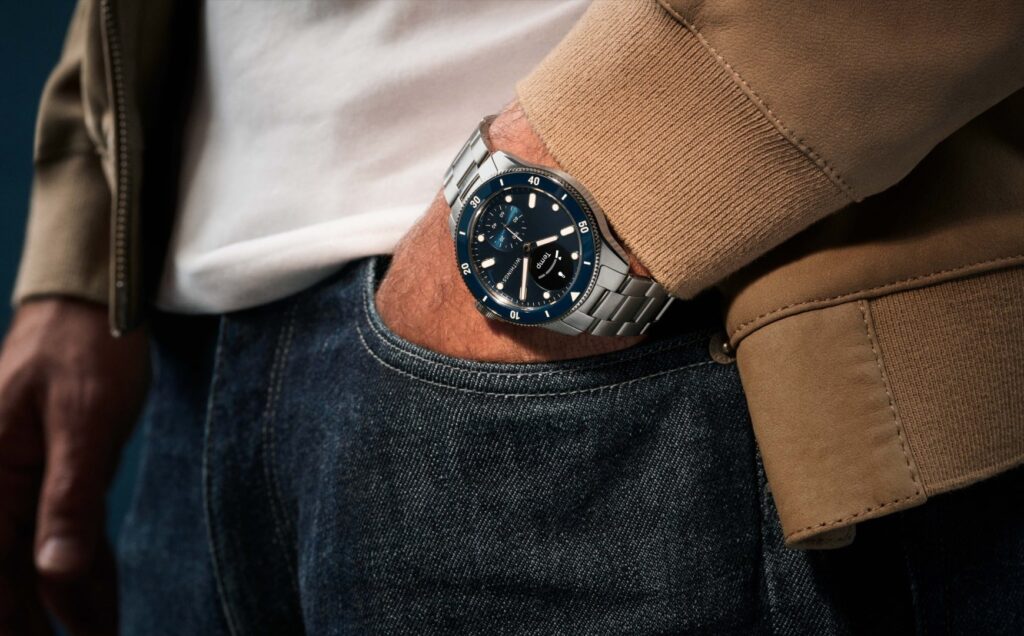
At first glance, it could be a Swiss diver’s watch: brushed steel, luminous indices, domed sapphire crystal. But behind that elegance lies clinical precision—ECG, SpO₂, and sleep apnea detection, all powered by Withings’ proprietary sensors and a Qi-wireless charging dock.
Its 30-day battery life means it charges once a month, not nightly, and Bluetooth LE sync keeps data flowing even when your phone stays home. Owners love its paradox: luxury outside, medical lab inside. One reviewer put it simply: “It tells me how I’m doing without asking for my attention.”
2. Oura Ring Gen 3 (2026 Heritage Edition)

The Oura Ring remains the quiet authority of wellness tech. The latest Heritage Edition refines its wireless charging cradle and adds improved skin-temperature accuracy. It tracks HRV, sleep stages, and readiness while looking more like jewelry than hardware.
Its magic lies in interpretation: when stress patterns rise, the app doesn’t flood you with charts—it suggests recovery windows, even dimming smart lights through Matter-enabled homes. Users call it “a conversation, not a lecture.” That empathy is what makes Oura indispensable.
3. Ultrahuman Ring Air
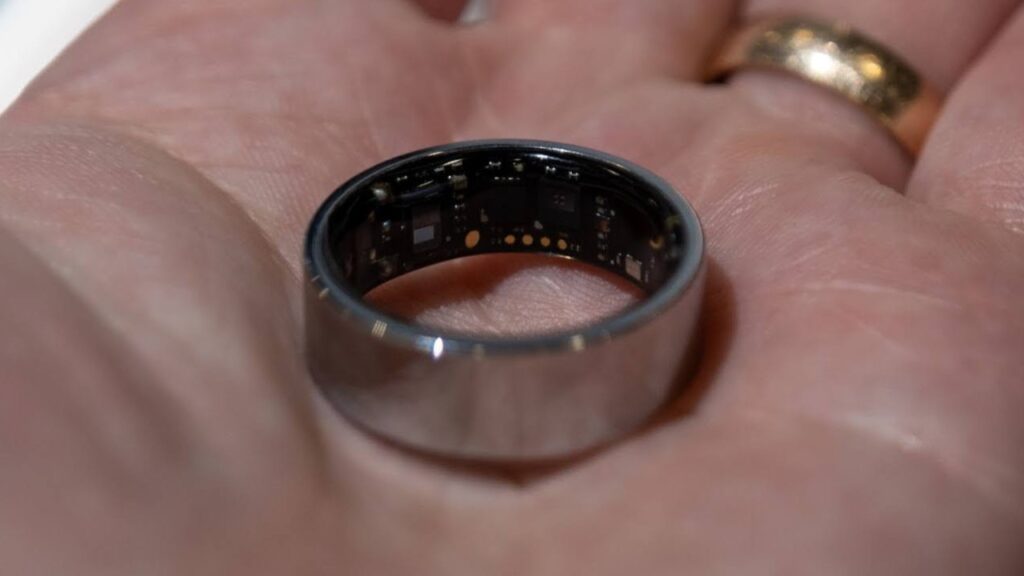
Lighter than titanium yet tougher than ceramic, the Ultrahuman Ring Air is India’s breakout success turned global phenomenon. It pairs continuous glucose trend data, skin temp, and movement analysis into one dashboard, syncing over Bluetooth 5.2 with astonishing stability.
Its wireless charging pod doubles as a night-stand display that glows softly with recovery scores—a rare blend of utility and calm. Reddit health enthusiasts say “it feels like your metabolism whispering back.”
4. Fitbit Sense 2 (Qi2 Edition 2026)
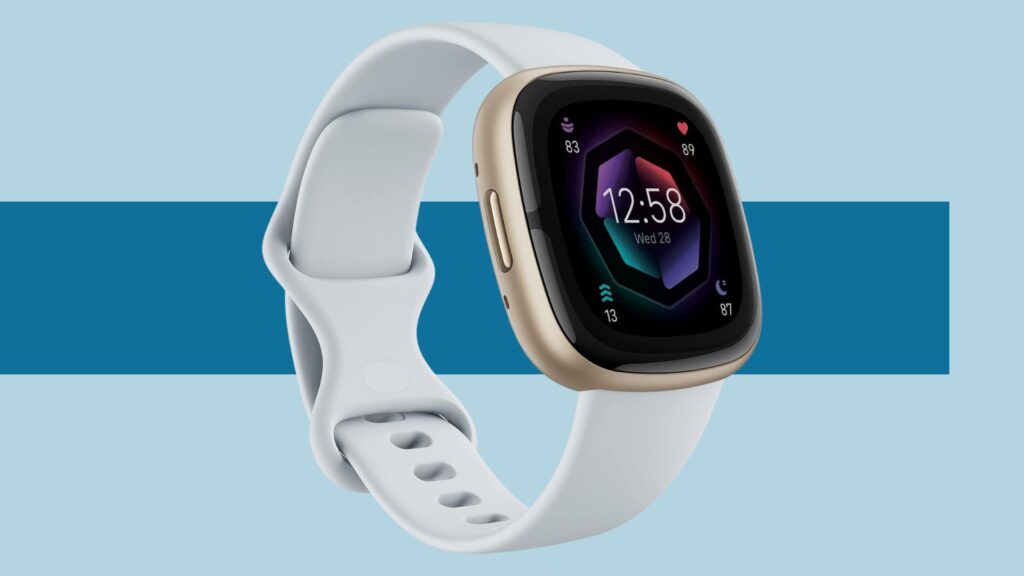
Now under Google’s ecosystem, the Fitbit Sense 2 Qi2 Edition brings wireless convenience to mainstream wellness. The new Qi2 MagSafe-style dock refuels the watch in under an hour, while the upgraded EDA 2.0 stress sensor reads emotional strain through micro-perspiration.
Coupled with Google Fit 2.0, it doesn’t just report data—it curates atmosphere. When tension spikes, connected lights fade to warmer hues; when recovery peaks, the room brightens. The result feels less like fitness tracking, more like environmental empathy.
5. Samsung Galaxy Ring (2026)
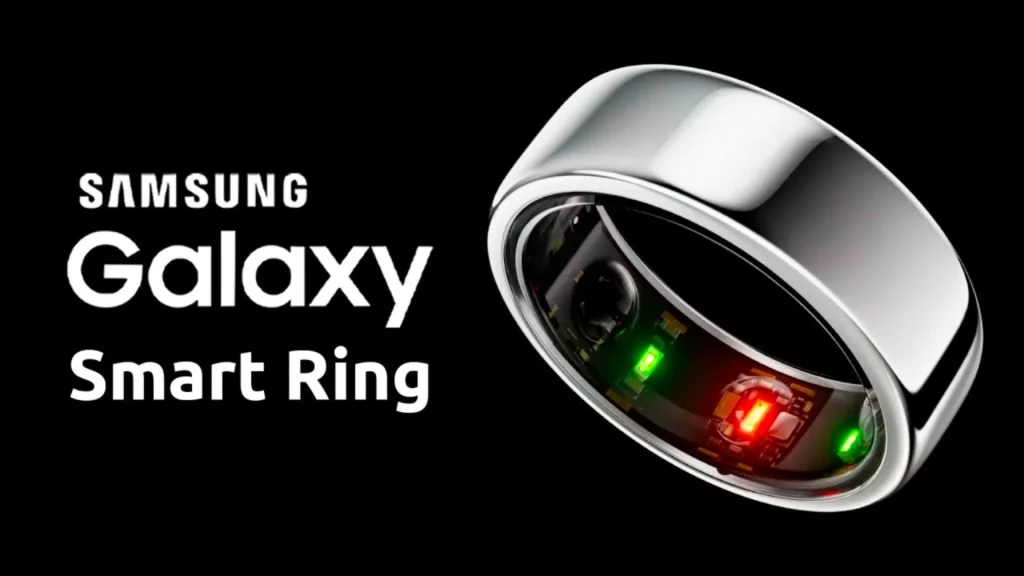
Unveiled at MWC 2026, the Galaxy Ring completes Samsung’s wireless ecosystem. Sleek, minimal, and Qi-wireless charging-case-ready, it tracks sleep, heart rate, temperature, and gestures—letting you answer calls or control media with a flick.
Its standout feature is Wi-Fi 7 direct sync, meaning it uploads health data without a phone nearby. For professionals who want health insight without smartwatch bulk, this is liberation in miniature. Early reviewers describe it as “the smartwatch you forget you’re wearing.”
The New Intimacy of Tech
These devices share a philosophy: wellness without friction. They replace the obsessive metrics of early fitness wearables with quiet intelligence—data that interprets, predicts, and personalizes. Charging pads replace cables, updates happen over the air, and insights appear just when they’re needed.
Wireless health isn’t about gadgets—it’s about trust. When technology fades into rhythm with your body, self-care stops feeling like a task and starts feeling like instinct.
The Wireless Future: Distance Power & Invisible Connectivity
If you walk into a 2026 tech showcase, you can feel it before you see it — a quiet hum of connection with no visible source. No wires, no pads, no plugs. Just devices sipping energy from the air.
The final frontier of wireless isn’t convenience anymore. It’s invisibility.
The world is moving toward distance power — real, usable electricity transmitted safely through the air over several meters. Companies like Wi-Charge, Ossia, and Energous are leading the charge (literally), replacing traditional cords with localized power zones that feed everything from smart sensors to desk lamps. Imagine walking into a café where your phone, earbuds, and smartwatch begin charging automatically — not by contact, but by proximity.
It sounds like science fiction, but it’s already in pilot stage across the U.S. and parts of Europe. By 2026, the first Wi-Charge–powered commercial retail spaces began rolling out in hotels and airports, while Energous’ PowerBridge systems entered industrial use — keeping sensors alive in factories where wiring isn’t practical.
This next step turns “wireless” into “effortless.”
1. Wi-Charge AirCord System
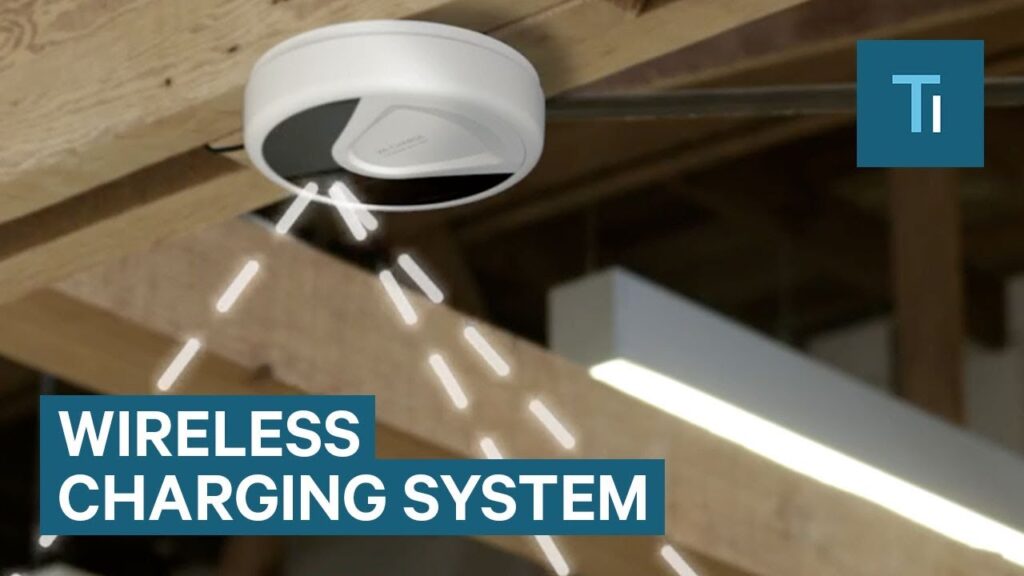
The Wi-Charge AirCord delivers up to 2 watts of directed infrared power across a 30-foot range, with FDA-approved safety and Matter-ready integration. Devices fitted with small receivers — from smart locks to toothbrushes — stay perpetually topped up.
Early testers describe it as “having an invisible wall outlet in every corner of the room.” The elegance lies in what you don’t see: no clutter, no cradles, no ritual of recharging.
2. Ossia Cota Real Power Platform
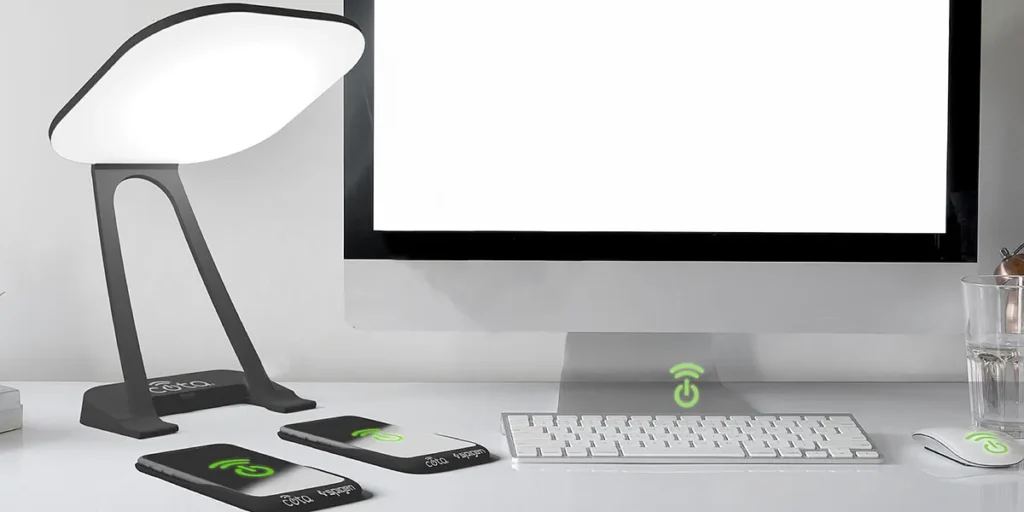
Ossia’s Cota platform transmits RF power safely across space to multiple devices simultaneously. It’s now being built into office lighting systems — every light doubles as a wireless energy hub.
In 2026 pilot offices, IoT devices — sensors, badges, and even keyboards — operate continuously without cables or batteries. The Cota receivers are the size of a fingernail, drawing low but steady power from the air.
This is wireless as infrastructure: energy that exists in space, not as an accessory.
3. Energous PowerBridge+ Mesh
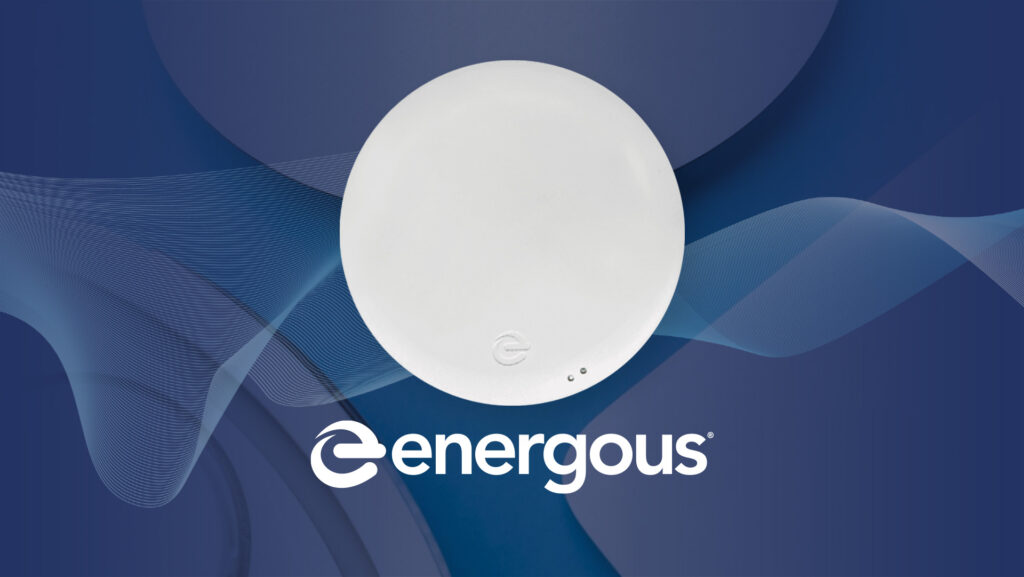
Energous takes a networked approach. Its PowerBridge+ Mesh links small transmitters that form a power grid through your home or workspace, charging wearables, cameras, and even hearing aids automatically.
Unlike inductive pads, this system isn’t about alignment — it’s about availability. Wherever you move, your devices maintain charge quietly in the background.
One beta tester described it poetically: “It feels like breathing power.”
4. Xiaomi Mi Air Charge (Developer Edition)
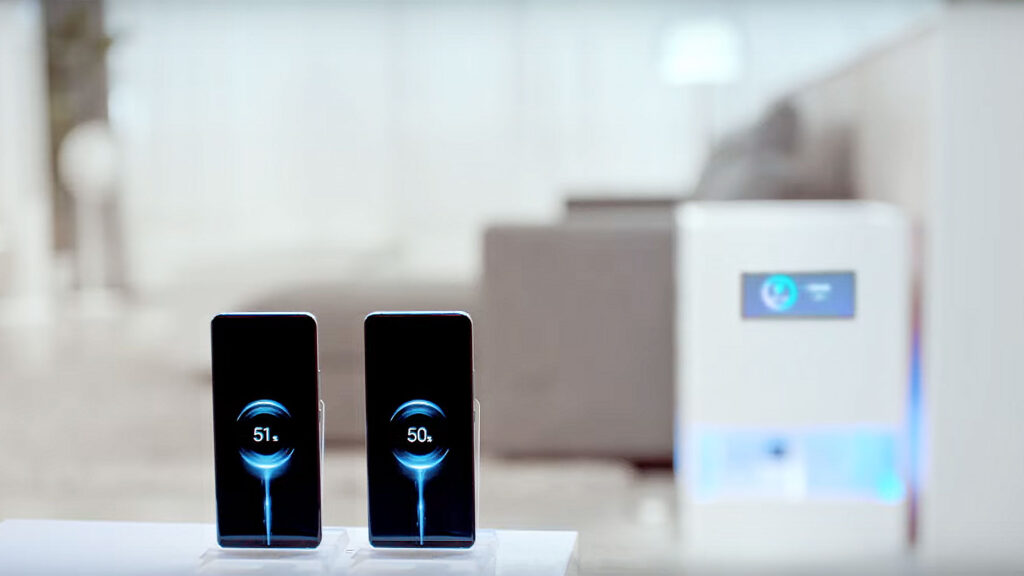
From Asia, Xiaomi’s Mi Air Charge prototype continues to evolve. It uses millimeter-wave beamforming to detect and charge devices several meters away with pinpoint precision. While still limited to prototypes and developer kits, it’s widely seen as the consumer face of distance charging.
Industry insiders hint that the first commercial Mi Air ecosystem could emerge by late 2026 — a smartphone, earbuds, and smartwatch trio that never needs plugging in.
The Age of Invisible Power
These breakthroughs redefine the meaning of “wireless.” They dissolve the very concept of charging, replacing effort with ambient access. For designers, it’s liberation; for users, it’s tranquility.
The emotional impact will be subtle but profound: no more low-battery anxiety, no scramble for outlets, no guilt over forgotten chargers. Technology will simply exist — alive, awake, always ready.
In the not-so-distant future, the word “wireless” might disappear altogether. Because when everything connects and powers itself, what’s left to describe?
It will just be life — clean, calm, continuous.
losing Reflection — When Wires Disappear, What Remains
The story of “wireless” was never just about engineering. It was about emotion — the slow, collective relief of letting go. Every removed cable was an act of reclaiming space, time, and clarity. And in 2026, that vision finally feels realized.
Across homes, cars, and wrists, technology no longer asks for attention. It simply functions, gracefully and quietly. Earbuds sync as you move. Chargers align themselves. Cars recognize your rhythm before you touch the ignition. Health devices breathe in sync with your pulse. The infrastructure of daily life has softened — no sharp edges, no clutter, no reminders that power once meant restraint.
For years, consumers equated innovation with complexity — more ports, more cords, more control. But 2026 proves that progress is the opposite: less. The more invisible technology becomes, the more visible life feels.
Wireless living isn’t sterile minimalism. It’s emotional minimalism — the peace of a clean desk, the quiet hum of a connected room, the steady comfort of full battery bars that you didn’t have to think about.
The next chapter of innovation won’t be about faster speeds or longer ranges. It will be about disappearing gracefully. The best devices will vanish into our routines until we stop calling them devices at all.
When the cords are gone and the connections remain, we arrive at a rare kind of luxury — freedom that feels effortless.
And maybe that’s the most powerful signal of all.